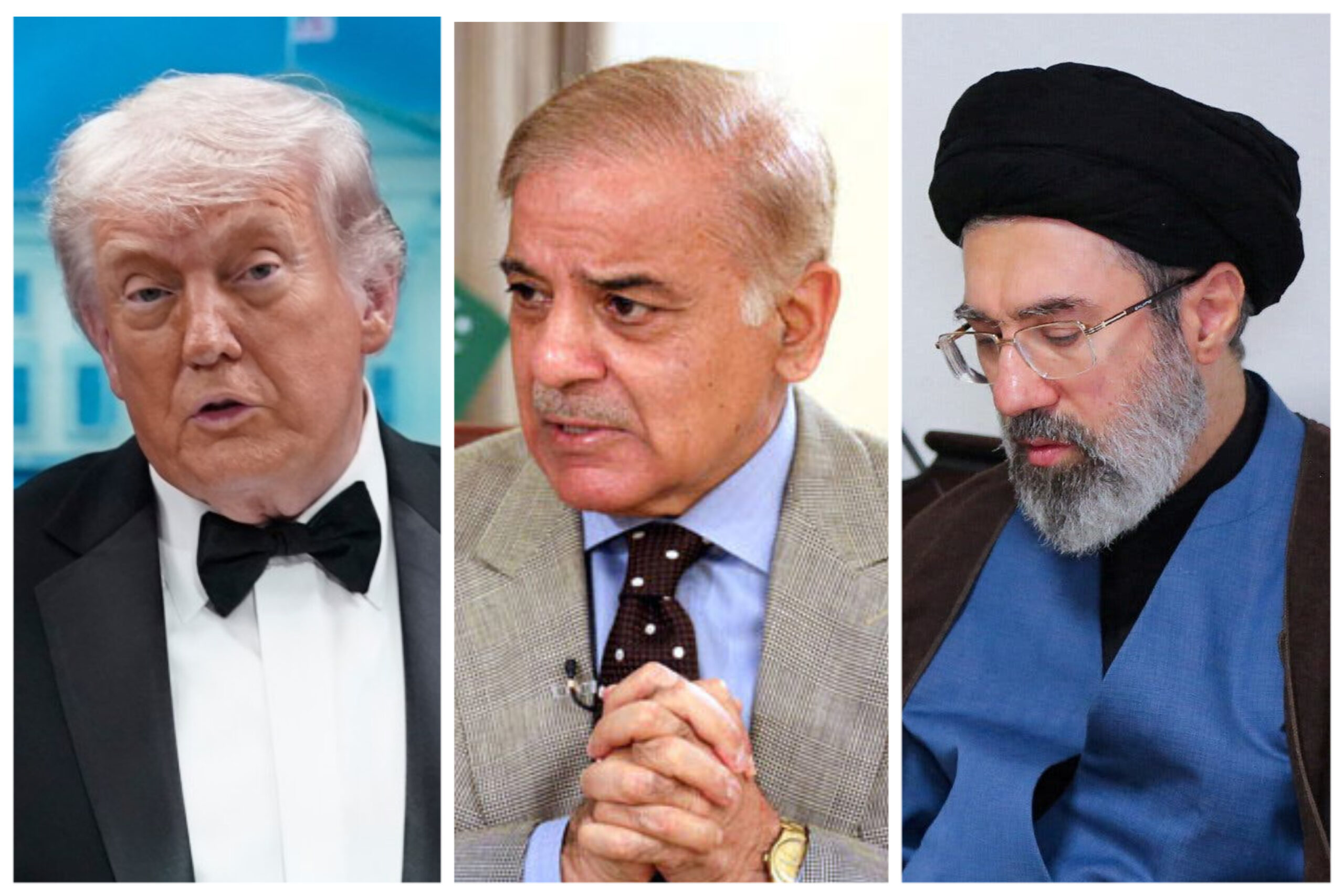
By Ali Imran Chattha, Islamabad 3 May 2026 — Iran is conducting a high-level review of Washington’s formal response to its sweeping 14-point peace proposal, even as the United States maintains a firm and sceptical stance, raising concerns that a fragile diplomatic opening could narrow in the coming days.
With tensions still simmering across the Gulf and in Lebanon, Pakistan has stepped into an unexpectedly pivotal role, positioning itself as the primary mediator between two long-standing adversaries.
Iranian Foreign Ministry spokesperson Esmaeil Baghaei confirmed that Tehran’s political and security leadership is carefully examining the U.S. reply before determining its next move. He stressed that Iran’s proposal is narrowly focused on ending the ongoing conflict and restoring regional stability, deliberately excluding contentious nuclear issues at this stage.
A Maximalist Proposal Meets Strategic Resistance
Tehran’s 14-point plan, submitted via Pakistani intermediaries, outlines an ambitious framework to end hostilities within 30 days significantly faster than Washington’s earlier two-month ceasefire proposal. The plan calls for sweeping measures, including:
– Full cessation of military operations across all fronts, including Lebanon.
Binding guarantees against future U.S. or allied military action.
– Withdrawal of U.S. forces from areas surrounding Iran.
– Lifting of economic sanctions and release of frozen Iranian assets.
– Compensation for wartime damages.
Removal of naval blockades and restoration of maritime access.
– A new multilateral mechanism to govern the Strait of Hormuz.
While Iranian officials present the proposal as a comprehensive peace blueprint, U.S. policymakers view it as overly expansive and strategically imbalanced.
President Donald Trump signalled a hard line, warning that military options remain on the table if Iran violates any prospective agreement. He also claimed that sustained economic pressure and naval restrictions have significantly weakened Tehran’s position, suggesting Washington sees little incentive to concede on core demands.
Secretary of State Marco Rubio offered a more measured assessment, acknowledging that the proposal exceeded expectations in scope but emphasising that any agreement must address Iran’s nuclear ambitions an omission widely seen as a central sticking point.
Strait of Hormuz: The Strategic Chokepoint
At the core of the standoff lies the Strait of Hormuz, a vital global energy artery through which roughly 20% of the world’s oil and gas supplies pass. Iran’s effective closure of the strait following U.S. and Israeli strikes in late February has sent shockwaves through global markets and elevated the conflict’s international stakes.
Washington has made reopening the strait a precondition for broader concessions, while Tehran insists that lasting guarantees and a formal end to hostilities must come first. This sequencing dispute has become one of the most difficult obstacles in negotiations.
Recent maritime incidents involving small craft near Iranian waters have further heightened tensions, underscoring the risk of miscalculation even amid diplomatic engagement. Pakistan’s Rise as a Diplomatic Linchpin
Pakistan has emerged as the central conduit for dialogue, transforming from a regional actor into a critical diplomatic broker. The breakthrough came on 8 April, when Islamabad successfully mediated a temporary ceasefire the first direct understanding between Washington and Tehran in decades.
The subsequent Islamabad Talks on 11–12 April marked an unprecedented diplomatic effort, bringing together large delegations from both sides. Despite 21 hours of negotiations, the talks ended without a final agreement, though officials suggested that both sides came close to an initial framework.
Pakistan’s influence stems from a unique combination of strategic relationships and institutional channels.
Since 1979, it has represented Iran’s interests in Washington, giving it a rare, trusted line of communication between the two countries. Analysts note that Islamabad has not only facilitated talks but also shaped their structure, timing, and agenda.
Recent shuttle diplomacy _including Field Marshal Asim Munir’s visit to Tehran carrying U.S. messages highlights Pakistan’s active role in sustaining momentum.
A Narrowing Window for Diplomacy
Despite ongoing engagement, the diplomatic environment remains precarious. Public scepticism from Washington, continued Israeli operations in Lebanon, and unresolved disputes over sanctions, nuclear oversight, and regional security frameworks all complicate the path forward.
Five core issues continue to dominate negotiations:
– Freedom of navigation in the Strait of Hormuz.
– Iran’s nuclear and missile programmes.
– Sanctions relief and economic reconstruction.
– Access to frozen Iranian financial assets.
– The structure of a long-term regional security agreement.
Iranian officials have accused the U.S. of shifting negotiating positions during the Islamabad talks, while American officials question Tehran’s strategic intentions revealing a deep trust deficit on both sides.
The Critical Days Ahead
The coming days are expected to determine whether diplomacy advances or stalls. If Tehran finds elements of the U.S. response acceptable, a new round of talks likely again hosted in Islamabad could follow swiftly.
Pakistani officials remain cautiously optimistic, framing the process as part of an ongoing “Islamabad track” rather than a one-off negotiation. However, they acknowledge that any breakthrough will require significant compromise from both Washington and Tehran.
For now, the situation hangs in balance. Iran’s review represents more than a procedural step it is a test of whether a narrow diplomatic channel can withstand mounting pressure from military realities and political mistrust.
The decisions made in Tehran, Washington, and Islamabad in the days ahead may determine whether the region moves toward a durable peace or slips back toward escalation.


