By Raju Lama
As the second term of António Guterres approaches its conclusion in 2026, the race to lead the United Nations is quietly intensifying behind closed doors—where global diplomacy, geopolitical rivalries, and calls for reform are converging.
At stake is not just a leadership transition, but the direction of a world body grappling with wars, climate crises, and a fractured global order.
A Contest Shaped by Power
While the Secretary-General is formally appointed by the UN General Assembly, the real decision lies with the UN Security Council—particularly its five permanent members: the United States, China, Russia, United Kingdom, and France.
Any one of them can veto a candidate. Diplomats say the next Secretary-General must be “acceptable to all, inspiring to many, and threatening to none.”
Latin America’s Moment ?
An informal regional rotation system now points toward Latin America and the Caribbean, a region that has never held the post in recent decades. That geopolitical opening has triggered a competitive field of candidates.
Among the leading contenders:
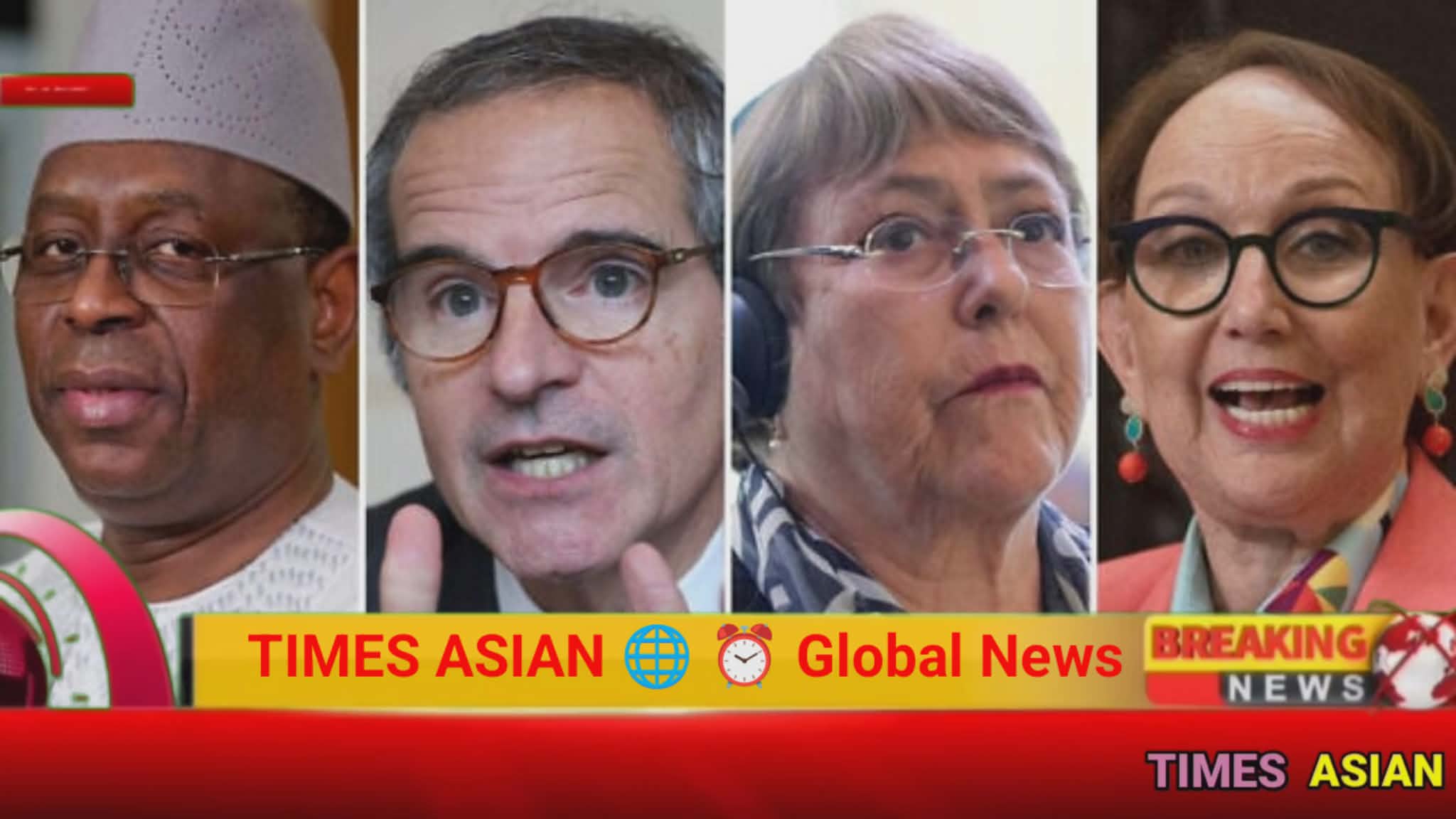
• Rafael Grossi (Argentina)
A seasoned nuclear diplomat, Grossi is widely seen as a consensus-builder with credibility across major powers.
• Rebeca Grynspan (Costa Rica)
A veteran UN insider and economist, Grynspan represents continuity with reform—and a strong push for gender equality.
• Michelle Bachelet (Chile)
A globally recognized figure in human rights, Bachelet carries both influence and political baggage in a polarized world.
• Macky Sall (Senegal)
Backed by parts of the Global South, Sall symbolizes Africa’s growing voice but faces regional competition.
A Historic First ?
Momentum is building for the appointment of the first female Secretary-General in UN history—a long-standing demand from civil society and many member states.
Figures like Grynspan and Bachelet are at the center of this conversation, though diplomats caution that gender alone will not override geopolitical realities.
The “Invisible Campaign”
Unlike national elections, this race unfolds in private:
• No public voting
• No campaign rallies
• Quiet negotiations in diplomatic corridors
Candidates are tested through informal “straw polls” in the Security Council, where veto signals from major powers often determine who advances—and who quietly exits.
Crisis Leadership Required
The next Secretary-General will inherit:
• Ongoing conflicts in multiple regions
• Rising climate emergencies
• Declining trust in multilateral institutions
• Economic inequality across the Global South
“The job has never been more difficult—or more necessary,” said one senior diplomat.
The Likely Outcome
Despite a diverse field, history suggests a familiar pattern:
• A compromise candidate may emerge late
• One who is acceptable to all five permanent members
• Likely from Latin America
• Possibly a woman—but not guaranteed
Final Word
The race for the next UN Secretary-General is less about popularity and more about power equilibrium.
In a divided world, the winner will not be the most outspoken voice—but the one who can navigate silence, balance influence, and survive the veto.
As one diplomat put it:
“The Secretary-General is chosen not only for what they can do—but for what they will not do.”


