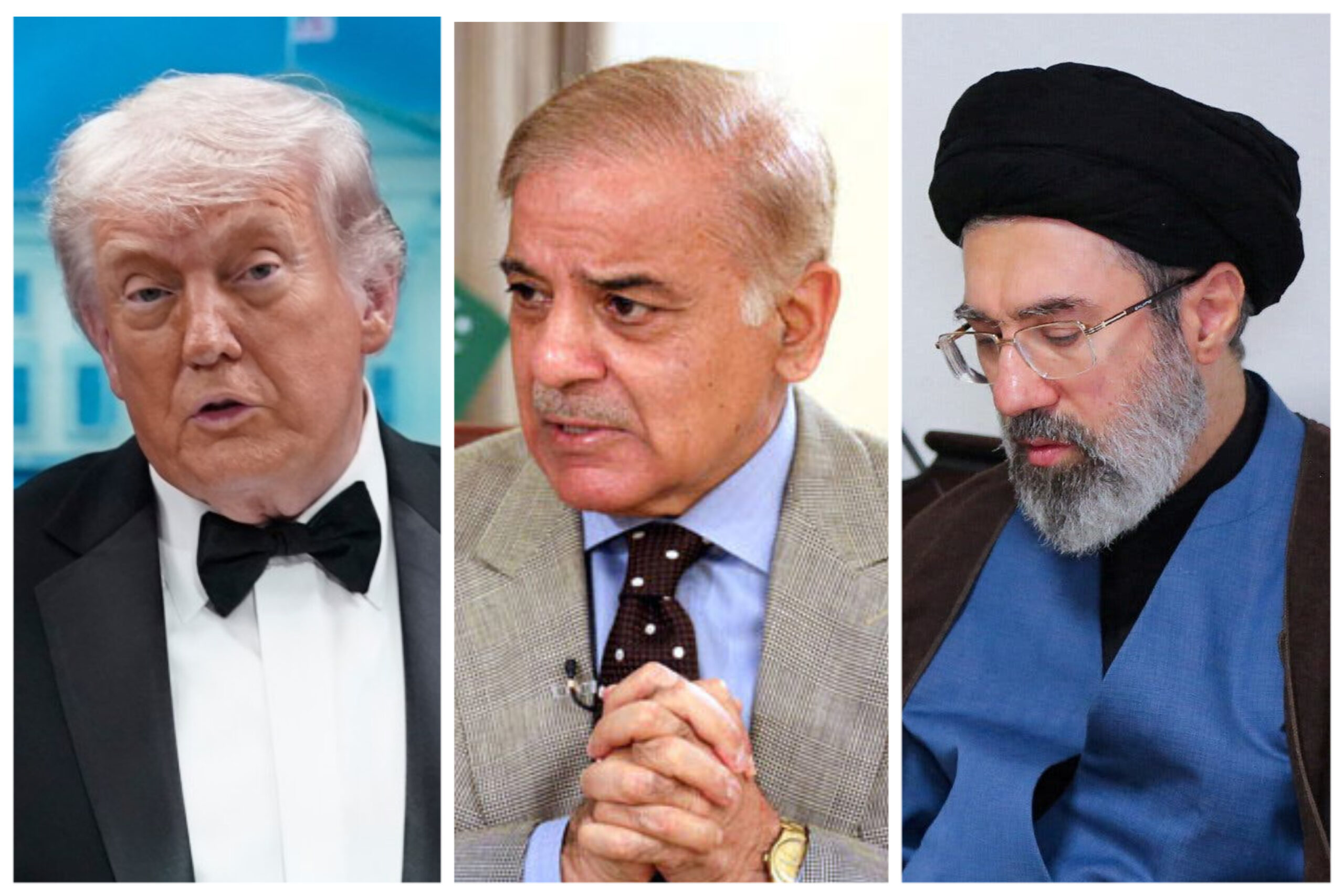
Islamabad/ Ali Imran Chattha – Iran has submitted a fresh peace proposal to the United States through Pakistani intermediaries, delivering its latest negotiating document to Pakistan on Thursday night as diplomatic efforts intensify to end the ongoing conflict in the region.
Pakistan’s mediators in Islamabad believe a fair deal is within reach, though significant differences between Washington and Tehran persist even as both sides remain engaged through this channel.
Pakistani officials confirmed their role as the communication conduit but declined to disclose the substance of the proposal. A spokesperson from the Ministry of Foreign Affairs stated that Pakistan is facilitating constructive engagement between friendly countries and supports the peaceful resolution of disputes through dialogue and diplomacy.
Officials emphasized that Pakistan is not a party to the negotiations but is relaying messages in the interest of regional stability, noting that its balanced relations with both Tehran and Washington enable it to act as a neutral intermediary.
Iran’s Proposal: Hormuz First, Nuclear Talks Later
The new proposal focuses on resolving the crisis over the Strait of Hormuz and the U.S. naval blockade as an immediate priority. Under the framework, a ceasefire would be extended for a prolonged period or transformed into a permanent end to hostilities, while nuclear negotiations would be deferred to a later stage after the strait is reopened and the blockade lifted.
Iranian officials have stated that ending the war and establishing lasting peace are their primary objectives in the ongoing talks.
Trump: “I Am Not Satisfied”
Washington’s response was direct. President Donald Trump stated that while Iran appears interested in reaching an agreement, he is not satisfied with the current proposal.
He suggested that divisions within Iran’s leadership may be hindering progress toward a final deal, describing the leadership as fragmented. Despite this, he acknowledged that multiple factions within Iran appear to favor reaching an agreement.
The U.S. administration reiterated that its core position remains unchanged: Iran must never be allowed to possess a nuclear weapon. Officials indicated that negotiations are focused on ensuring both immediate and long-term national security.
Trump rejected Iran’s sequencing proposal opening the Strait of Hormuz and lifting the blockade before addressing nuclear issues viewing the blockade as a key source of leverage. He warned that the situation could ultimately lead either to a negotiated settlement or a significant military escalation.
Pakistan Intensifies Diplomatic Push
Pakistani officials described their ongoing efforts as part of a broader attempt to preserve the ceasefire and sustain diplomatic momentum. Authorities have increasingly referred to the engagement as the “Islamabad process,” framing it as a continuing diplomatic track rather than a single round of talks.
A previous round of talks in Islamabad collapsed after the Iranian delegation, led by Foreign Minister Abbas Araghchi, departed following extensive meetings with Pakistani leadership. Iran reportedly submitted a formal list of demands for the United States and Israel before leaving. In response, Washington canceled a planned visit by its own delegation.
Iranian officials have since expressed distrust toward the United States, questioning why the earlier round of talks was abandoned.
International Engagement Widens
Diplomatic activity surrounding the proposal has expanded beyond Islamabad. Iran has engaged with European and regional counterparts to discuss efforts aimed at reopening the Strait of Hormuz and establishing longer-term regional security arrangements.
This broader diplomatic outreach suggests that multiple actors are working simultaneously to prevent a breakdown in negotiations.
Economic Pressure Mounts
With the Strait of Hormuz largely closed, fuel prices in the United States have surged to their highest levels in years, rising sharply within a short period. The economic impact of the ongoing standoff is being felt on multiple fronts, adding urgency to an already fragile diplomatic situation.
Pakistan is expected to continue facilitating communication as both Washington and Tehran evaluate the latest proposal and consider their next steps. Whether this renewed effort will bring the parties back to formal negotiations—or deepen the standoff—remains uncertain as the region watches closely.


