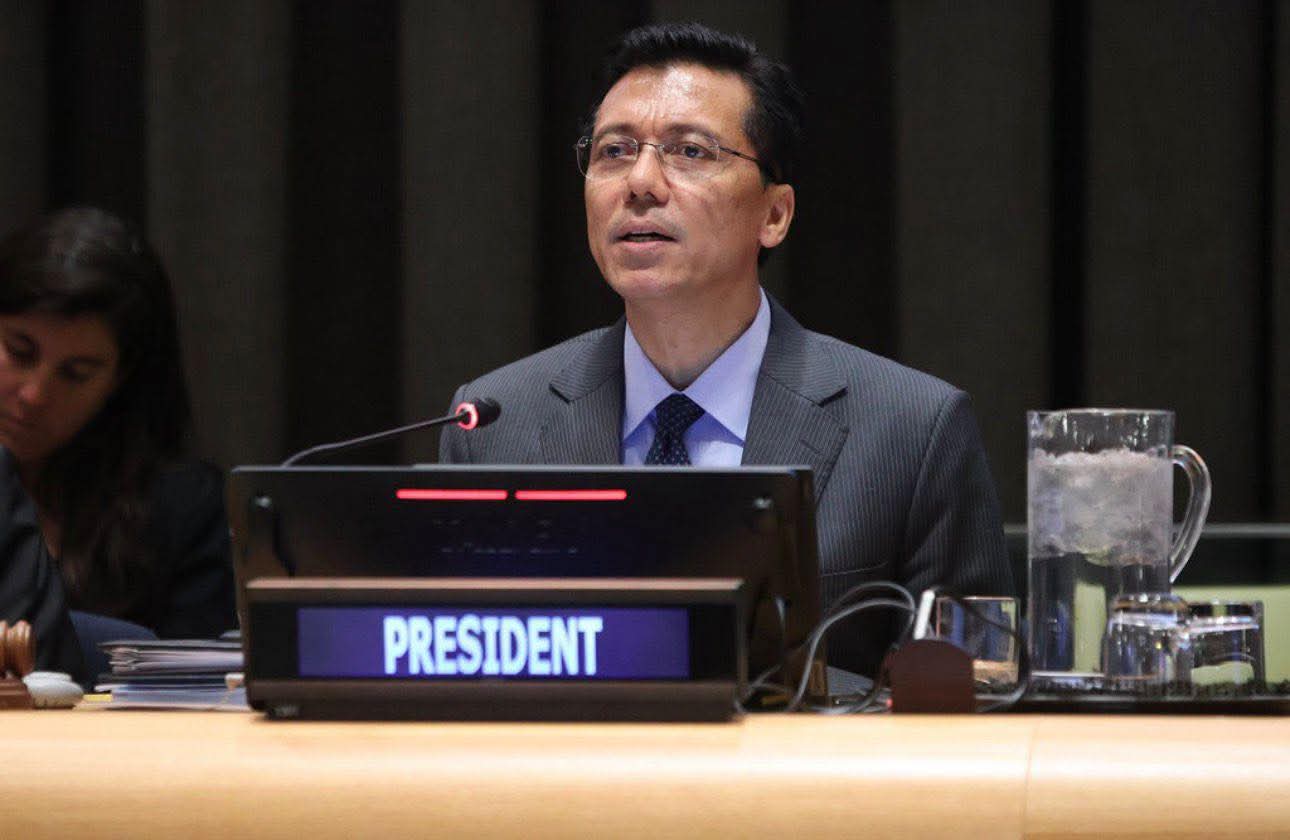
Introduction: A Historic Diplomatic Moment for South Asia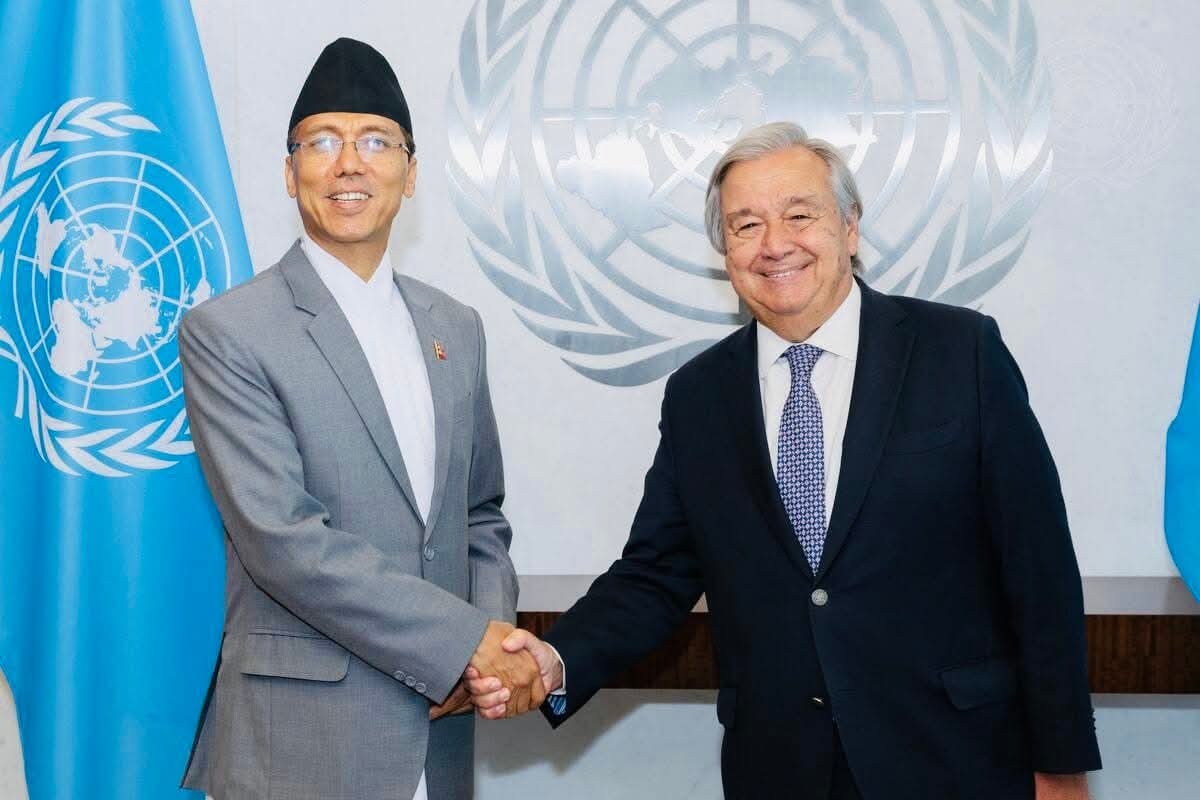 At a time when the world faces complex and overlapping crises, the rise of Lok Bahadur Thapa to the presidency of the United Nations Economic and Social Council (ECOSOC) marks a defining moment—not only for Nepal but for the entire South Asian region.
As one of the principal organs of the United Nations, ECOSOC sits at the heart of global development cooperation, coordinating international efforts on economic, social, and environmental challenges. To lead such a body is both a recognition of diplomatic credibility and a responsibility to guide global consensus in uncertain times.
Thapa’s appointment reflects a broader geopolitical shift—where voices from the Global South are increasingly central to shaping international priorities.
ECOSOC Presidency: A Position of Global Influence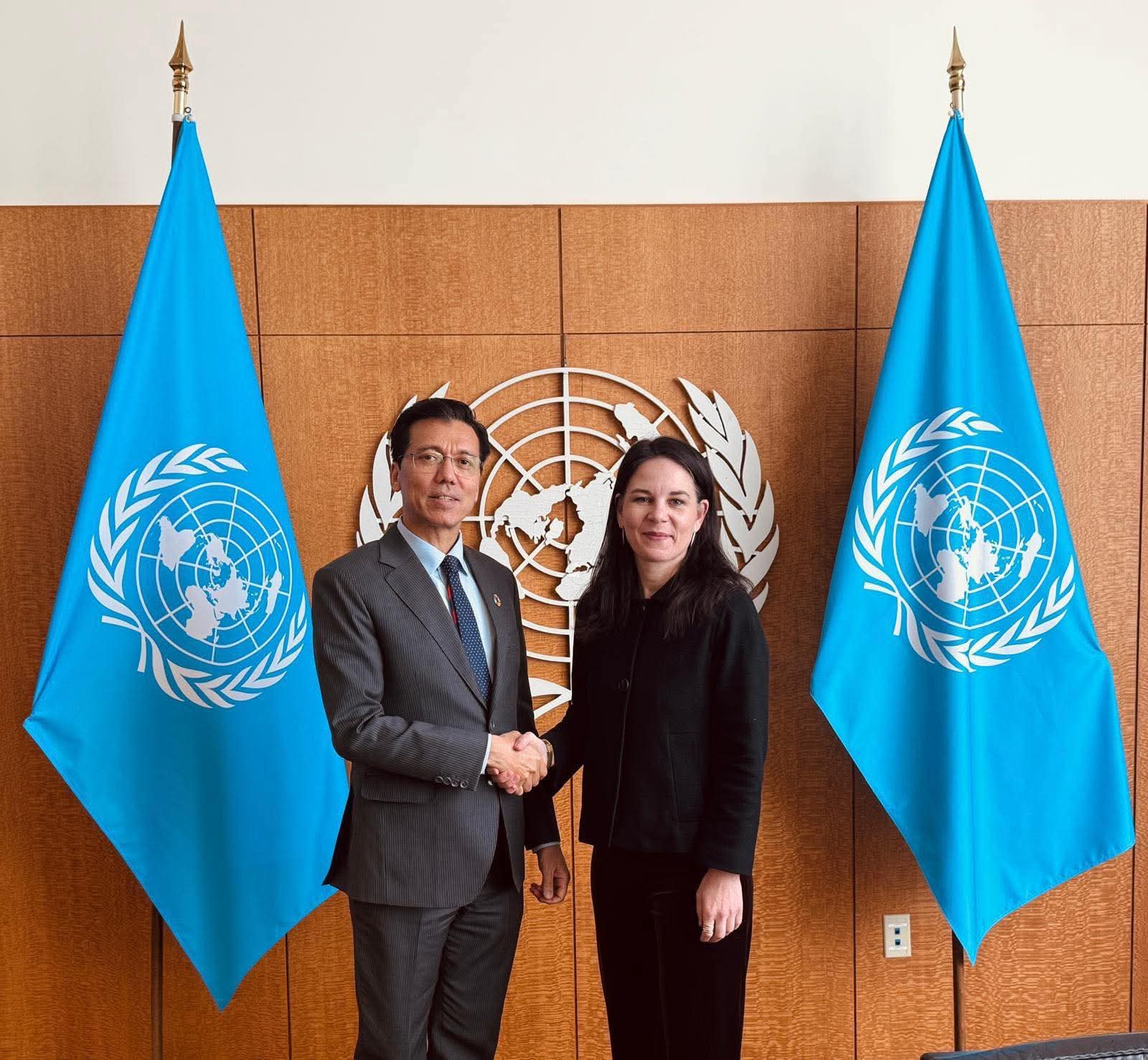 The presidency of ECOSOC is among the most strategically significant roles within the UN system.
The council: Oversees implementation of the Sustainable Development Goals (SDGs)
Coordinates work across UN agencies, funds, and programs, Serves as a platform for policy dialogue among governments, financial institutions, and civil society.
Under Thapa’s leadership, ECOSOC has intensified its focus on financing for development, recognizing that without adequate resources, global commitments risk remaining unfulfilled.
His tenure coincides with a period marked by:
– Rising global debt levels
– Climate financing gaps
– Declining development assistance in vulnerable regions
– Against this backdrop, Thapa has consistently called for urgent, coordinated, and inclusive global action.
A Voice for the Global South and Least Developed Countries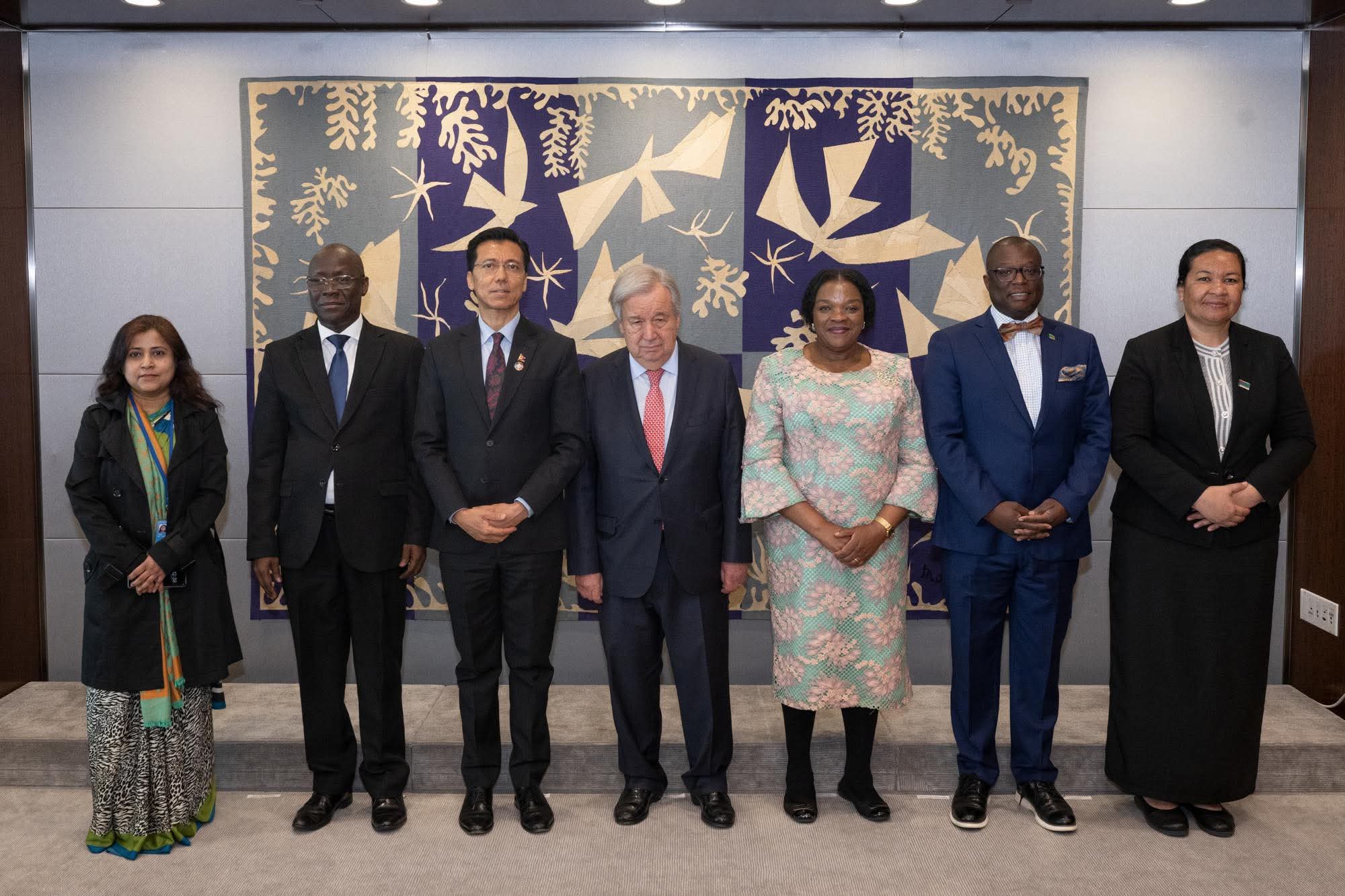 Coming from Nepal—a country that represents both resilience and development challenges—Thapa brings authenticity to global discussions. He has been a strong advocate for:
– Least Developed Countries (LDCs)
– Small and vulnerable economies
– Indigenous communities and marginalized groups
His diplomatic messaging emphasizes that development must be inclusive, ensuring that no country or community is left behind.
In multiple high-level engagements, he has underscored that global systems must adapt to:
– Address inequality
– Expand access to technology
– Strengthen climate resilience
This approach aligns with the broader aspirations of the Global South, positioning Thapa as a bridge between developed and developing nations.
Leadership Style: Consensus, Balance, and Diplomacy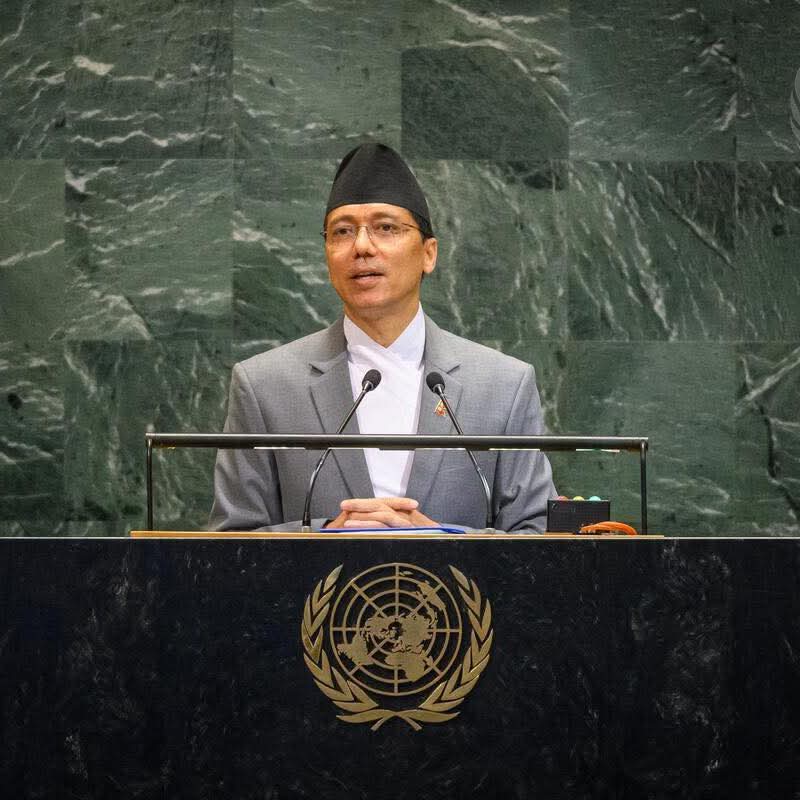 Observers at the United Nations often describe Thapa’s leadership style as:
– Consensus-driven
– Pragmatic and balanced
– Quiet yet effective diplomacy
Rather than confrontational rhetoric, he prioritizes dialogue and collaboration—an approach rooted in Nepal’s long-standing diplomatic tradition.
This has proven particularly valuable in ECOSOC, where diverse interests must be aligned to produce actionable outcomes.
Financing for Development: A Central Priority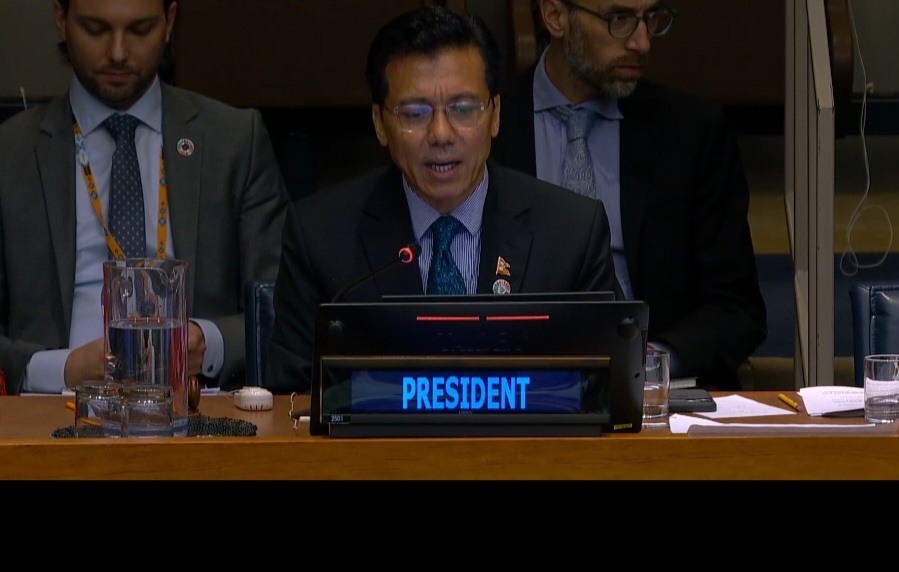 One of the defining features of Thapa’s presidency has been his focus on reforming global financing systems.
During major global forums, including Financing for Development discussions, he has emphasized:
– The need to close financing gaps for SDGs
– Strengthening international financial cooperation
– Mobilizing both public and private investment
– Reforming multilateral development banks
His leadership during the first Financing for Development Week reinforced the urgency of moving from dialogue to implementation, urging stakeholders to deliver tangible results.
Elevating South Asia on the Global Stage
Thapa’s position carries symbolic and strategic importance for South Asia—a region home to nearly a quarter of the world’s population.
His presidency: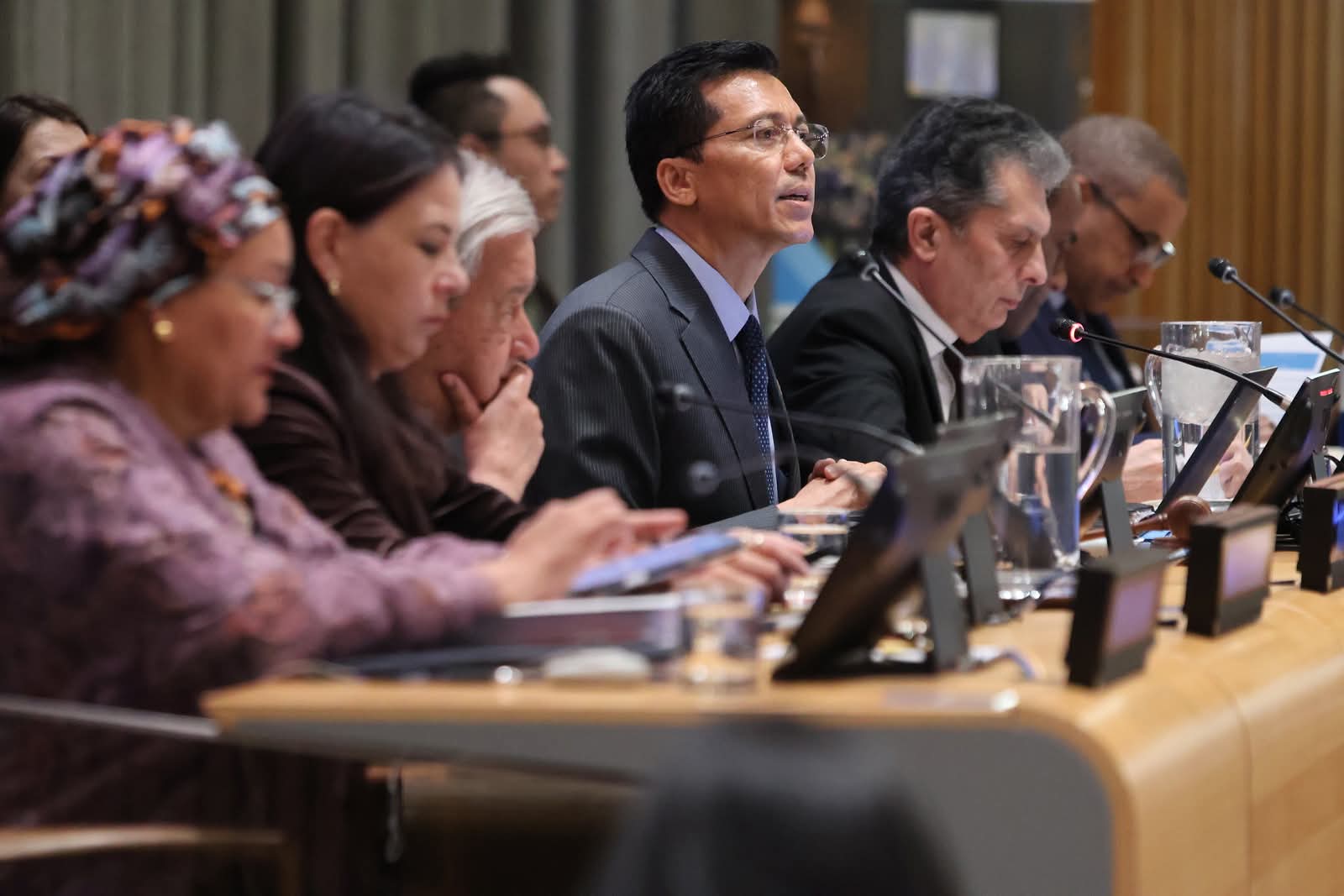 – Enhances regional visibility within global governance
– Demonstrates growing diplomatic influence from South Asia
– Inspires emerging leaders from developing nations
For Nepal, in particular, his leadership represents a milestone in its diplomatic history, showcasing the country’s ability to contribute meaningfully to global affairs.
Challenges Ahead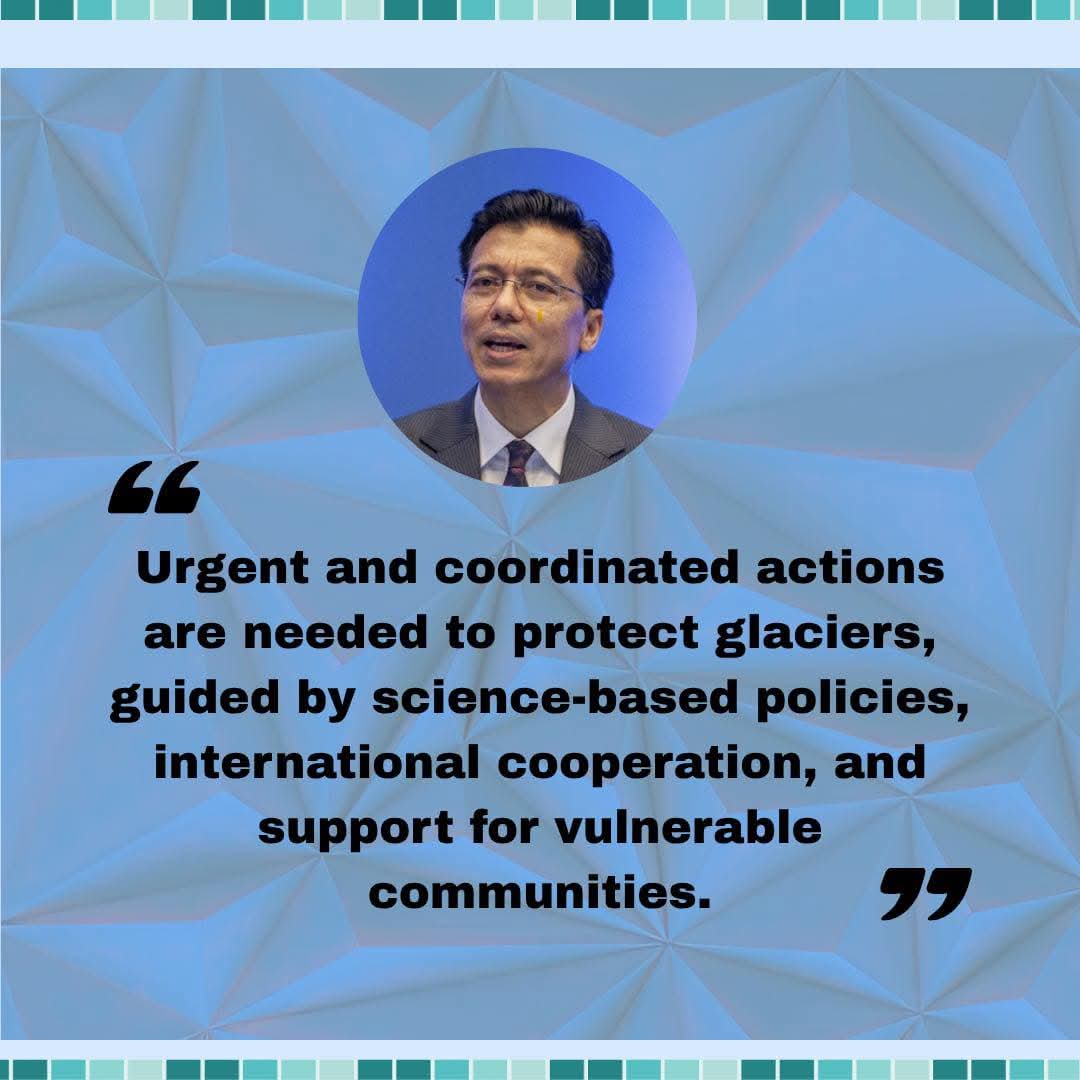 Despite progress, significant challenges remain:
– Persistent global inequalities
– Climate-related vulnerabilities
– Geopolitical tensions affecting cooperation
– Limited fiscal space in developing countries
Navigating these issues will require sustained leadership, innovation, and international solidarity—areas where Thapa’s role remains critical.
Conclusion: A Defining Chapter in Global Diplomacy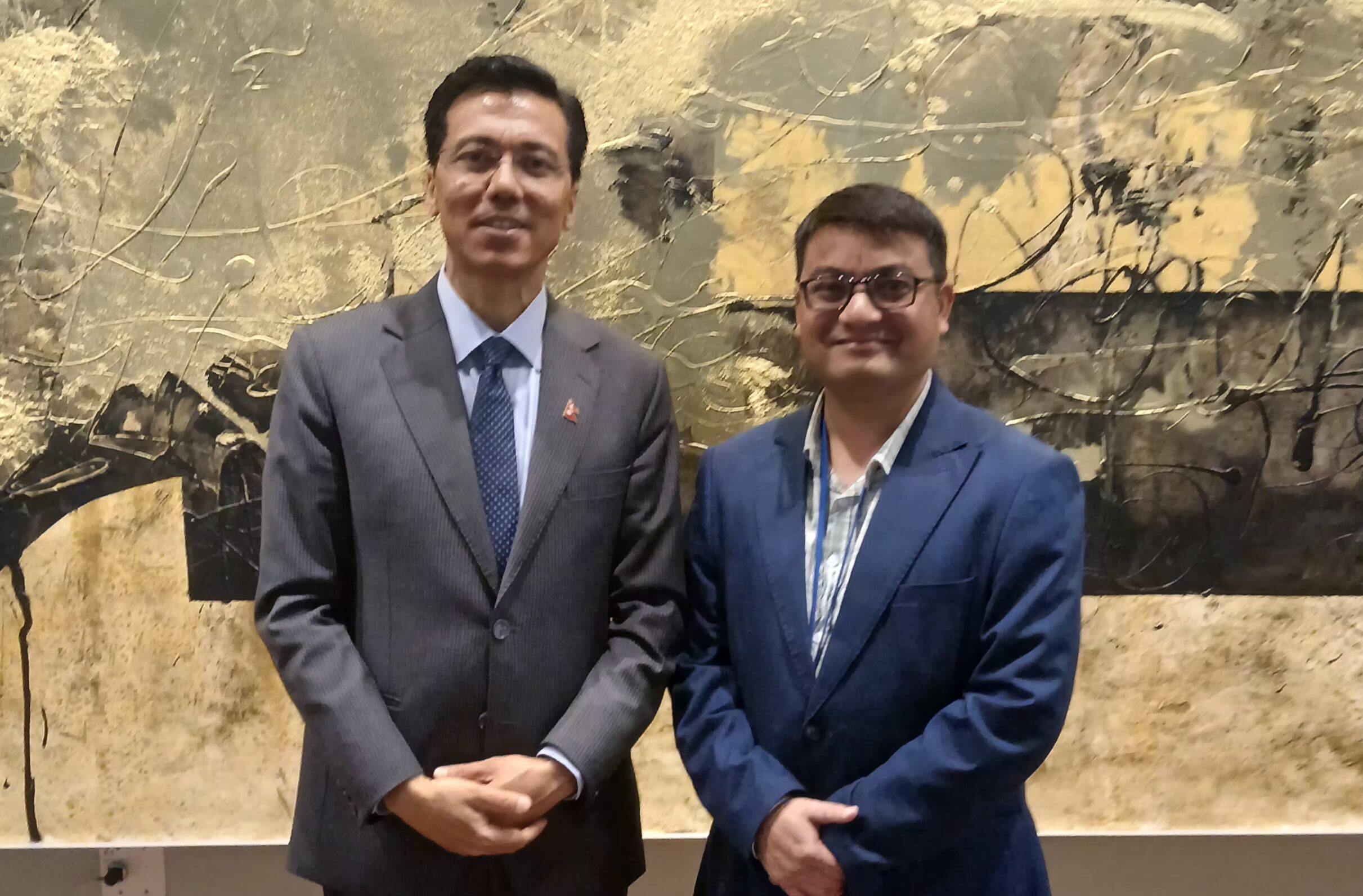 As Lok Bahadur Thapa continues to lead the United Nations Economic and Social Council, his presidency stands as a testament to the evolving nature of global leadership—one that is increasingly inclusive, representative, and focused on shared progress.
More than a personal achievement, his role symbolizes a new chapter for South Asia at the United Nations, reinforcing the region’s commitment to equitable development, multilateral cooperation, and a sustainable future for all.
# By Raju Lama: Writer is Editor of Times Asian and International President of SAARC Journalist Forum


