By Raju Lama
A reported security scare near the White House Correspondents’ Dinner has reignited debate over the fragile balance between security, political leadership, and press freedom in the United States. While authorities quickly contained the situation, the incident’s significance lies less in immediate danger and more in what it reveals about the evolving relationship between power and the press.
A High-Profile Event, A High-Stakes Moment
The White House Correspondents’ Dinner is not merely a social gathering. It is a symbolic institution—bringing together journalists, political leaders, and cultural figures in a rare moment of proximity between those who govern and those who scrutinize power.
Any disruption in such a setting carries global resonance:
– It highlights vulnerabilities in high-security democratic spaces
– It underscores the importance of protecting journalistic institutions
– It reinforces how symbolic targets can shape public perception
Even without major casualties, the incident reflects a broader reality: democratic visibility often comes with heightened risk.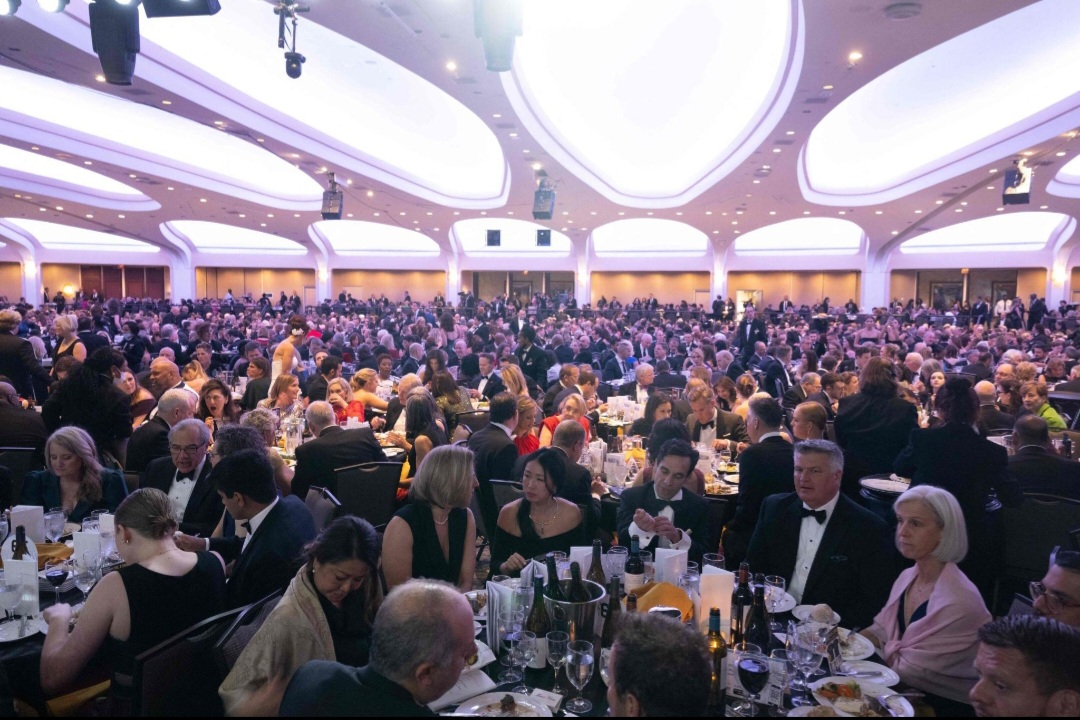
Trump’s Response: Control, Confidence, and Context
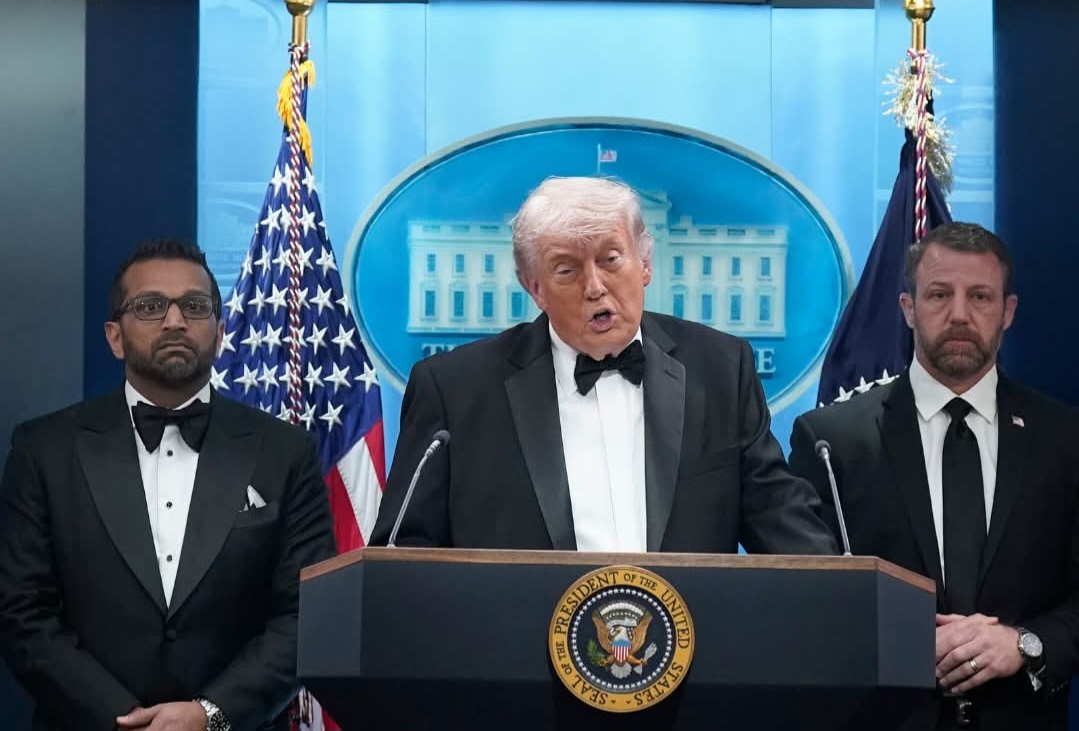
In response, Donald Trump emphasized that the situation was “under control,” while praising the swift actions of security personnel.
Such messaging follows a classic crisis-response framework:
Reassurance: Preventing panic by projecting stability
Institutional Support: Strengthening public confidence in law enforcement
Leadership Projection: Reinforcing authority during uncertainty
Yet Trump’s response cannot be viewed in isolation. His presidency has been defined by a deeply contentious relationship with the media. This context complicates the narrative—raising questions about whether defending press institutions in moments of crisis aligns with broader attitudes toward the press.
Security vs. Press Freedom: A Delicate Balance
The incident exposes a fundamental paradox:
The state is responsible for protecting journalists and media spaces. At the same time, political rhetoric can undermine trust in those very institutions
The Correspondents’ Dinner itself embodies this tension. It celebrates access, transparency, and the watchdog role of journalism—while also highlighting the often adversarial nature of media-government relations.
The question of “courage” becomes central here. Supporters may interpret Trump’s calm and assertive tone as leadership under pressure. Critics, however, argue that true courage extends beyond crisis management to include a consistent defense of press freedom—even when scrutiny is uncomfortable.
A Broader Democratic Reflection
This episode is not just an isolated security concern; it reflects deeper structural challenges:
– Can open societies remain accessible while ensuring safety?
– How should leaders balance criticism of the press with its protection?
– What role does political rhetoric play in shaping public trust in media?
These questions resonate far beyond Washington. Across Asia and other regions, governments and media institutions are navigating similar tensions between authority, accountability, and freedom.
Conclusion: More Than a Security Incident
The disruption near the White House Correspondents’ Dinner serves as a reminder that security at democratic events is about more than physical protection—it is about safeguarding the principles that define open societies.
The response from Donald Trump projected control and stability. But the larger test lies beyond a single moment:
The true strength of democracy is measured not only by how it responds to crises, but by how consistently it protects the freedom of the press in times of calm and conflict alike. #Writer is Editor of Times Asian and International President of the SAARC Journalist Forum


