By Raju Lama
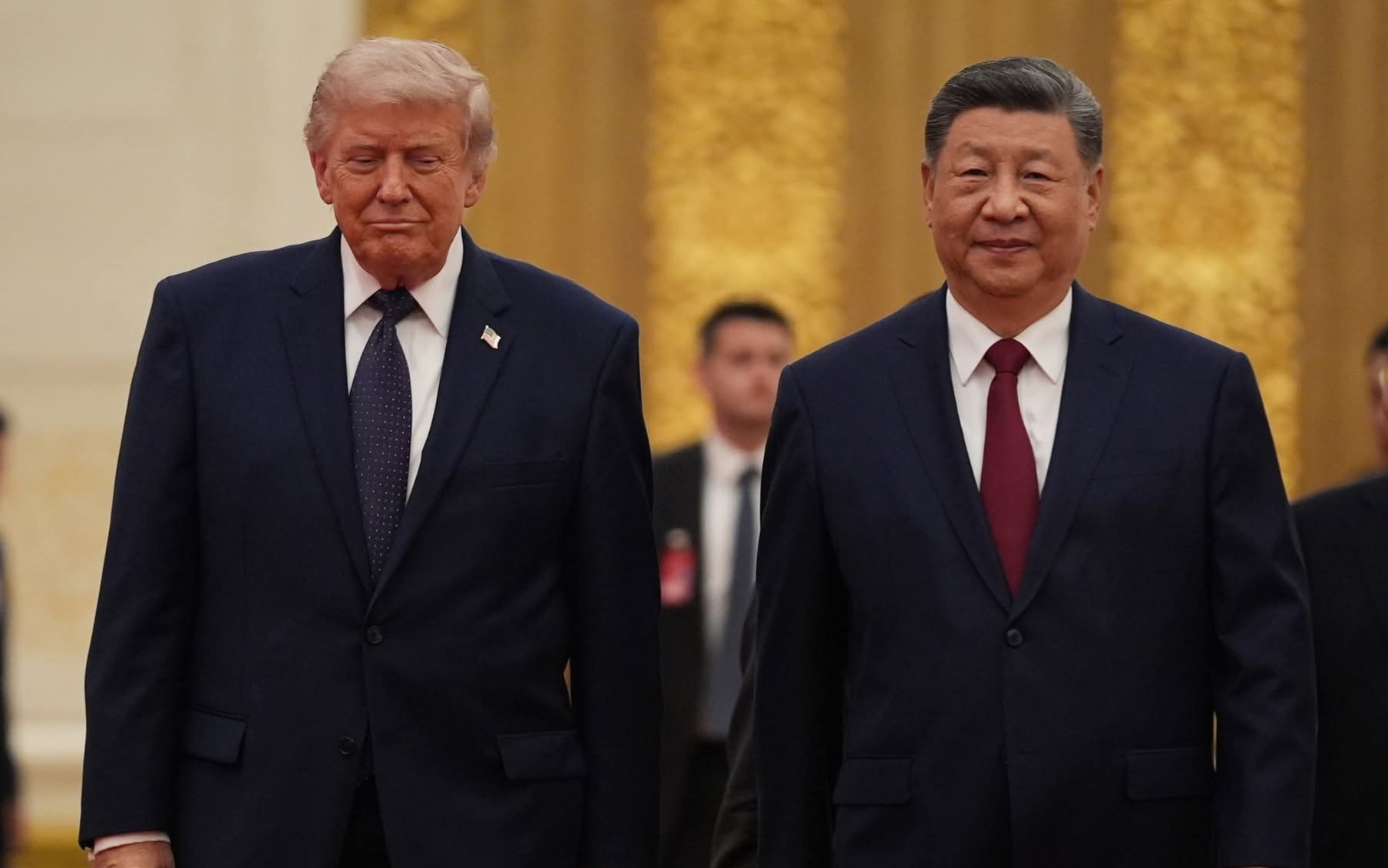
The world is currently passing through one of the most complex geopolitical periods since the end of the Cold War. Rising tensions between major powers, regional conflicts, economic uncertainty, technological competition, and shifting alliances are reshaping the international order. Against this backdrop, the Beijing summit between Donald Trump and Xi Jinping has emerged as one of the most consequential diplomatic events of 2026.
One of the most urgent geopolitical challenges influencing the summit is the ongoing instability in the Middle East, particularly tensions connected to Iran and energy security. The conflict has affected global oil supply routes and increased concerns about wider regional escalation. Reports indicate that Washington is seeking Beijing’s cooperation in maintaining stability in strategic maritime routes and preventing further destabilization. China, meanwhile, is attempting to position itself as a responsible global power capable of balancing diplomacy with economic influence.
Trade and economic competition also remain central to the talks. Over the past several years, tariff disputes, restrictions on advanced technology exports, and supply-chain competition have significantly strained bilateral relations. The Trump administration has maintained a strong stance on protecting American manufacturing and technological leadership, while China continues to push for greater economic self-reliance and global market influence. Despite these tensions, both sides recognize that prolonged economic confrontation could negatively affect global growth, investment, and financial markets.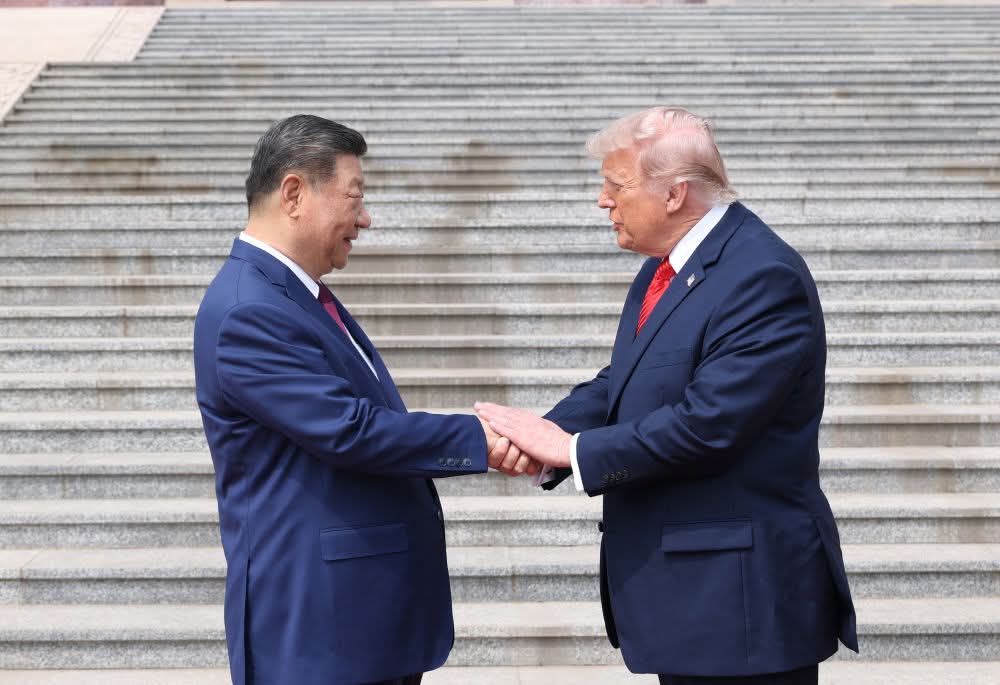 Taiwan remains another critical issue overshadowing the summit. Beijing considers Taiwan a core national interest and has repeatedly warned against foreign interference. During the opening stages of the summit, President Xi reportedly warned that mishandling the Taiwan issue could create serious conflict between the two powers. The issue represents one of the most dangerous flashpoints in contemporary geopolitics because any military escalation in the Taiwan Strait would have worldwide economic and security consequences.
The summit also reflects the growing global competition over artificial intelligence, semiconductor technology, cyber security, and strategic resources. Both Washington and Beijing are racing to dominate future technologies that will shape economic and military power for decades. Control over advanced chips, rare earth minerals, and AI development has become increasingly tied to national security calculations. Experts believe that discussions in Beijing may help establish limited “guardrails” to reduce the risk of uncontrolled confrontation in these sensitive sectors.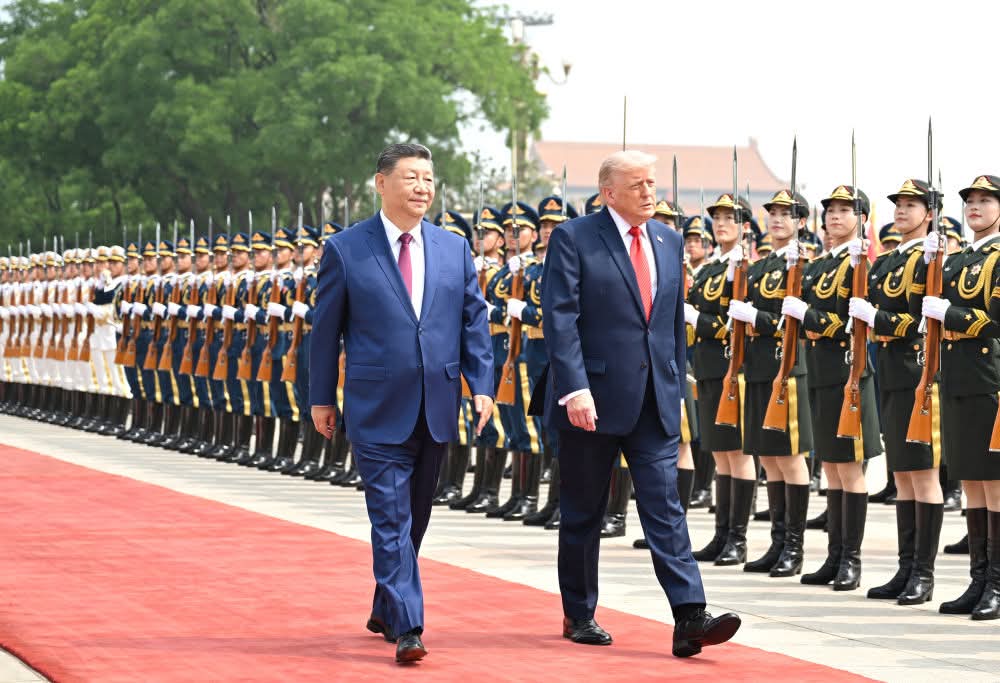
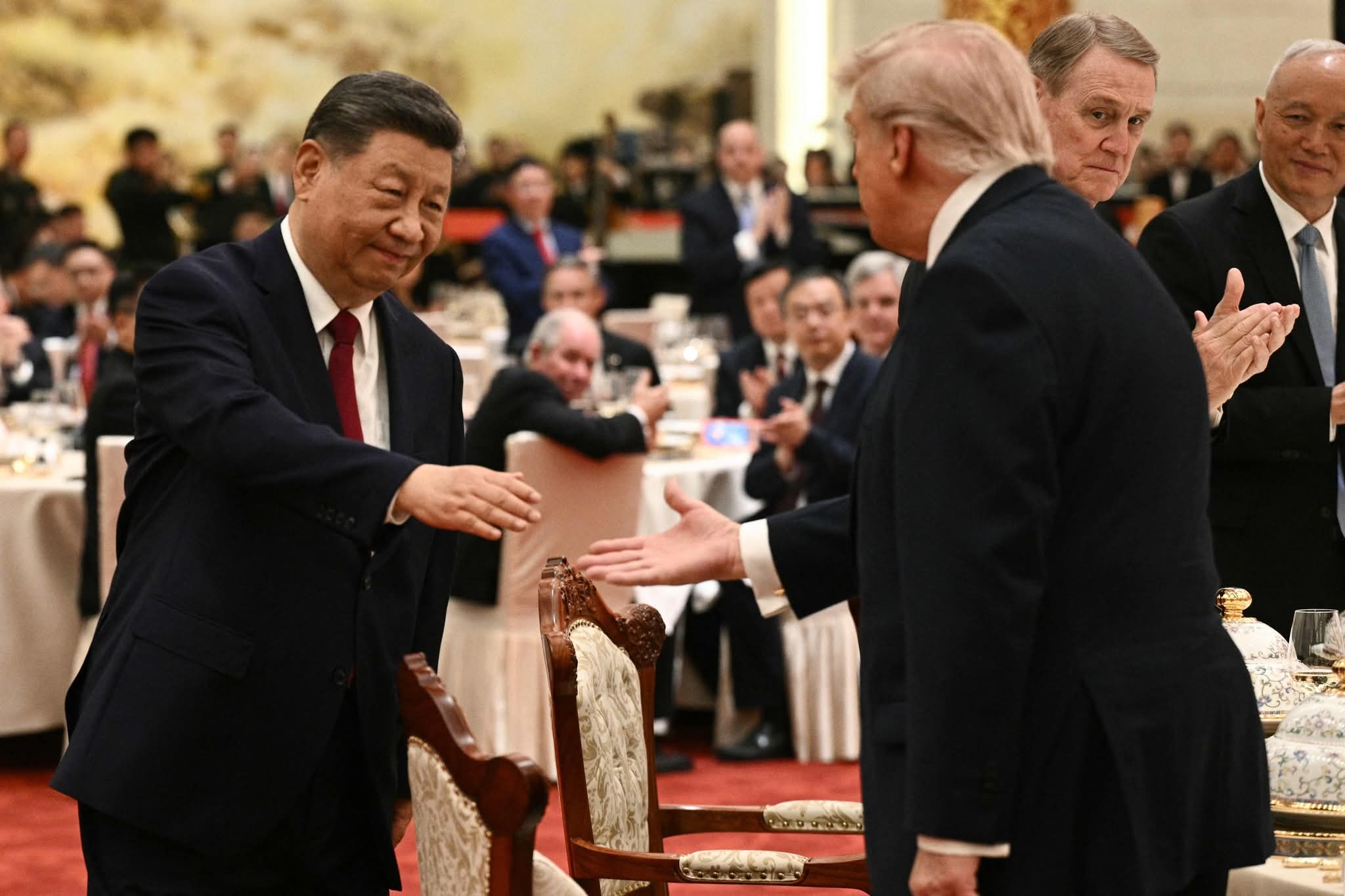
Another important aspect of Trump’s Beijing visit is symbolism. China organized an elaborate state reception, signaling Beijing’s intention to present itself as a stable and confident global actor. The highly publicized ceremonies, bilateral meetings at the Great Hall of the People, and state banquet were carefully designed to demonstrate the importance China attaches to the relationship. At the same time, Trump’s delegation reportedly included major American business leaders, highlighting the continued economic interdependence between the two countries despite political rivalry.
From a broader international perspective, the summit has implications far beyond the United States and China. Countries across Asia, Europe, the Middle East, and the Global South are closely watching the outcome because geopolitical stability between Washington and Beijing directly influences international markets, diplomatic alignments, and regional security calculations. Many governments hope the summit will reduce tensions and create mechanisms for dialogue, even if major disagreements remain unresolved.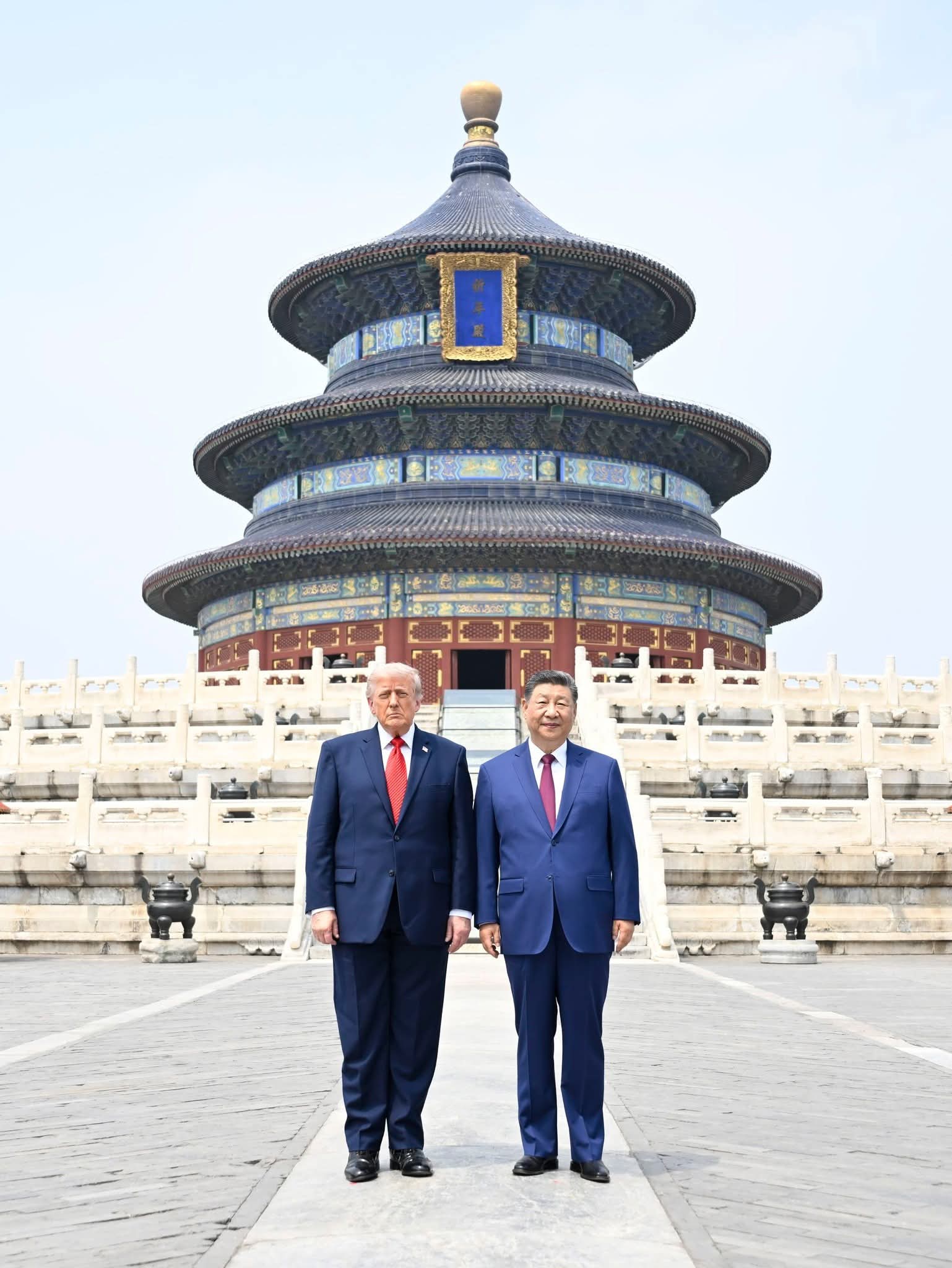 Ultimately, Trump’s Beijing visit highlights a central reality of contemporary geopolitics: competition between the United States and China is likely to continue, but both powers also understand the risks of uncontrolled confrontation. The summit therefore represents not only a diplomatic engagement between two leaders, but also an effort to shape the future balance of power in an increasingly uncertain world order.
#Writer is Editor in Chief of Times Asian and International President of SAARC Journalist Forum


