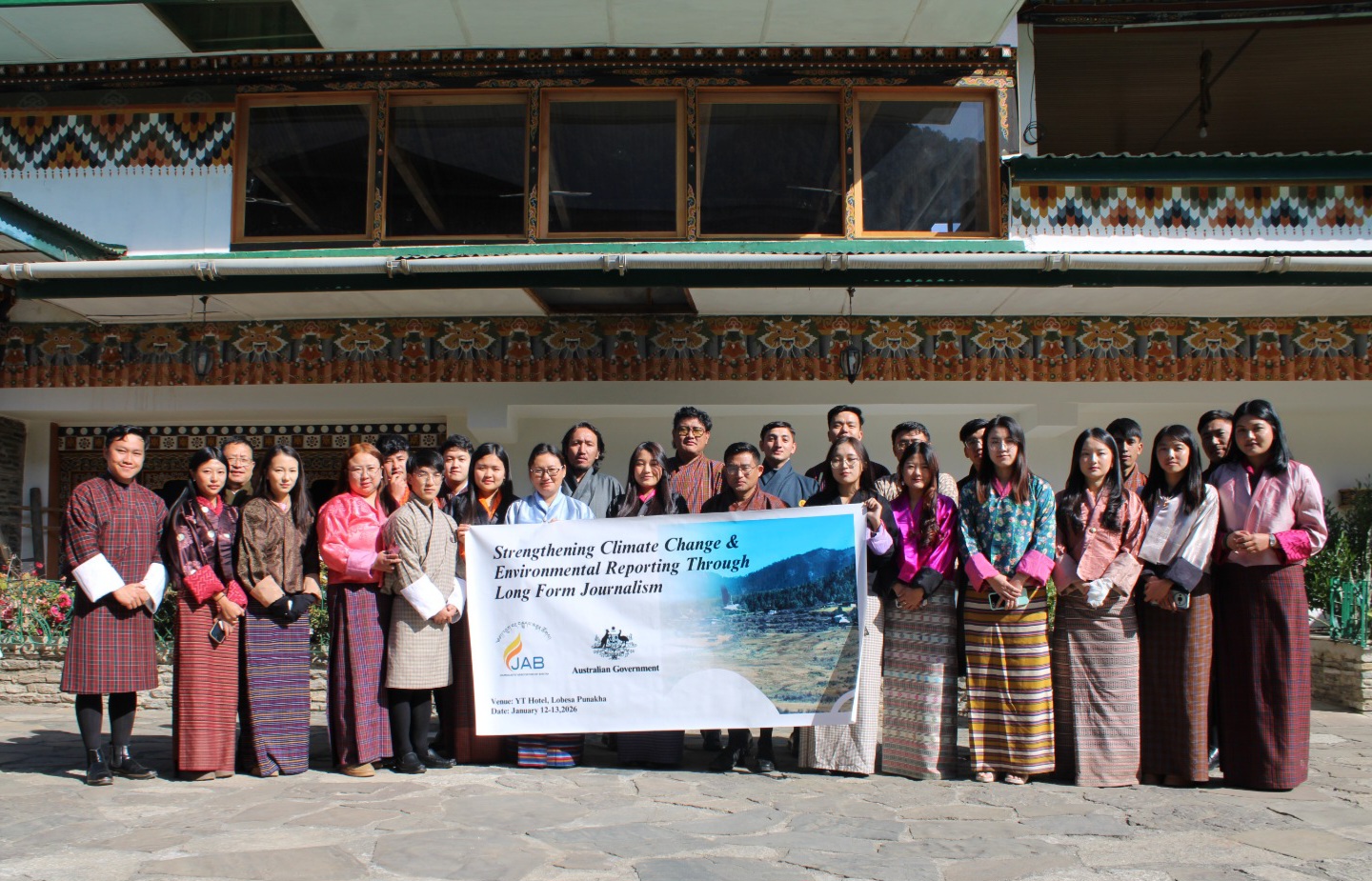
Punakha. More than 22 journalists from media houses gathered in Punakha yesterday for the opening of the second cohort of a two-day training on Climate Change, Environmental Reporting and Long-form Narrative Journalism, organised by the Journalists’ Association of Bhutan (JAB).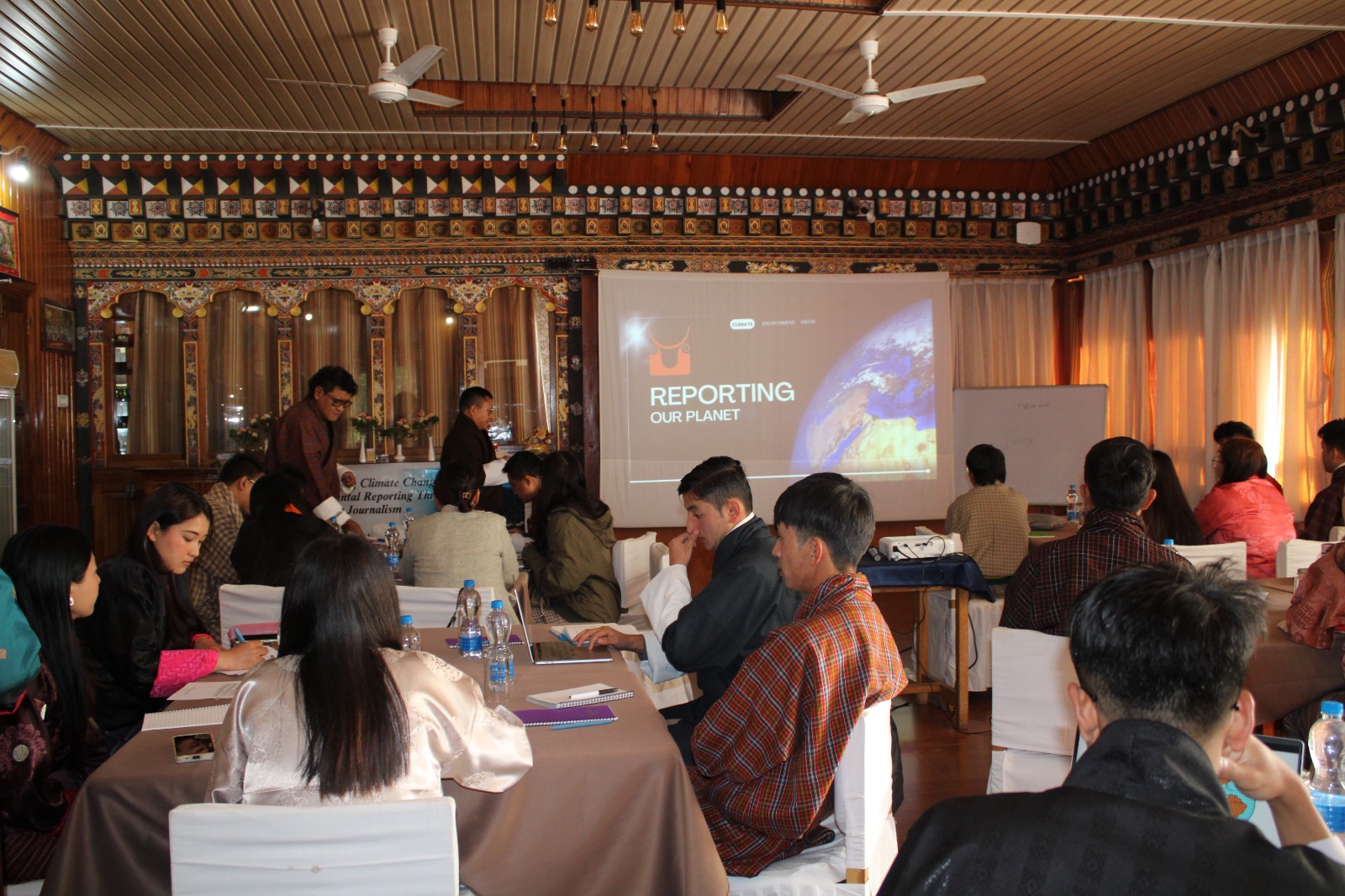
Opening the programme, a JAB official said the training builds on the momentum of the first cohort held in September last year, which was followed by a reporting grant awarded to nine journalists and one digital storyteller. The stories produced under that grant, the official said, demonstrated how climate and environmental reporting can move beyond episodic disaster coverage to explore lived experiences, accountability, and long-term impacts when journalists are given time, tools, and editorial trust.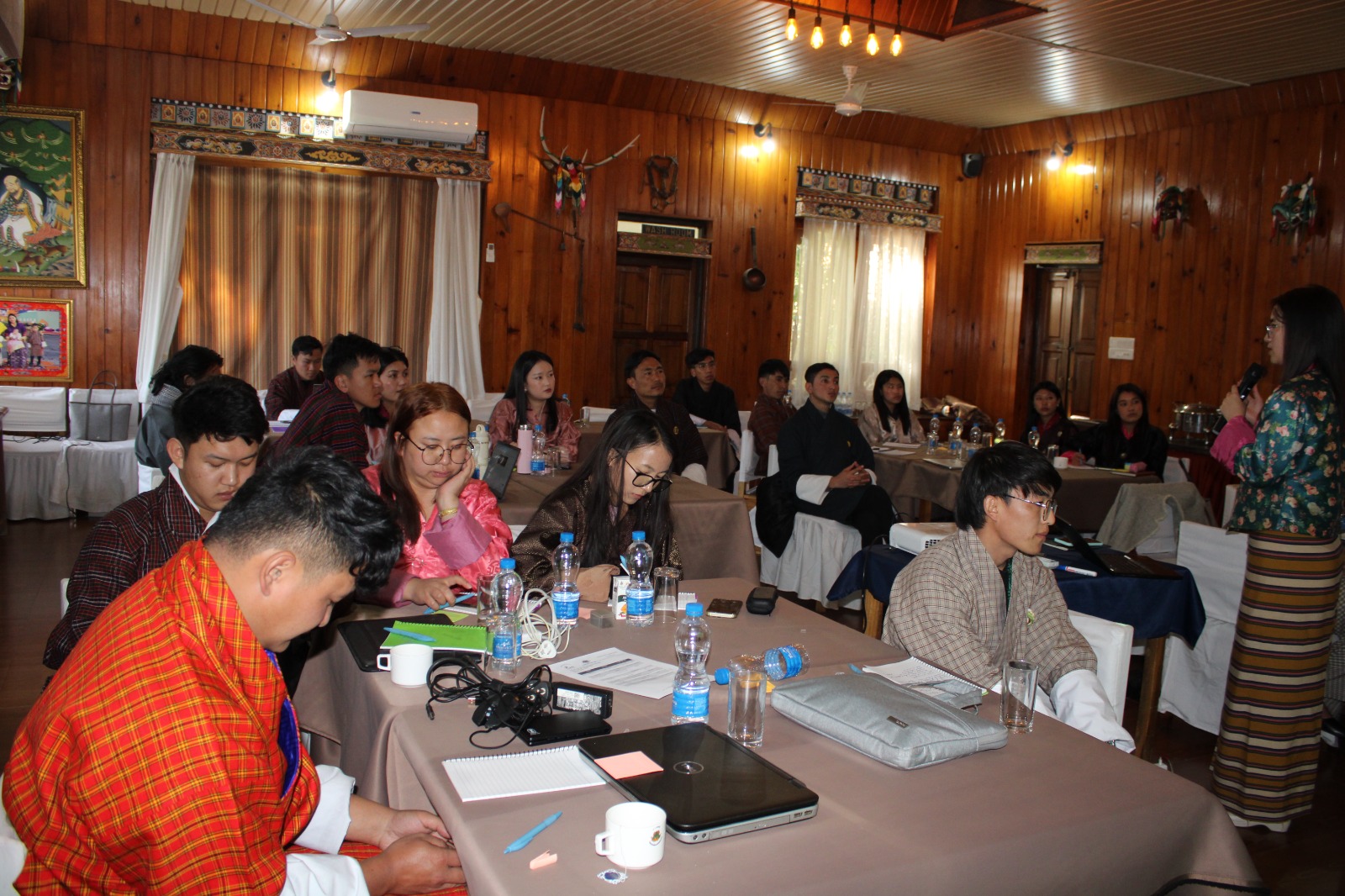
“We are pleased to continue this support through a second reporting grant, which will begin shortly after this training concludes,” the official said, adding that learning is most meaningful when it is tested in the field through actual reporting. The training is supported by the Government of Australia’s Regional Media Support Fund through the ABC International Programme. JAB acknowledged the support as a commitment to strengthening independent, public-interest journalism in the region, particularly by investing not only in skills development but also in reporting itself.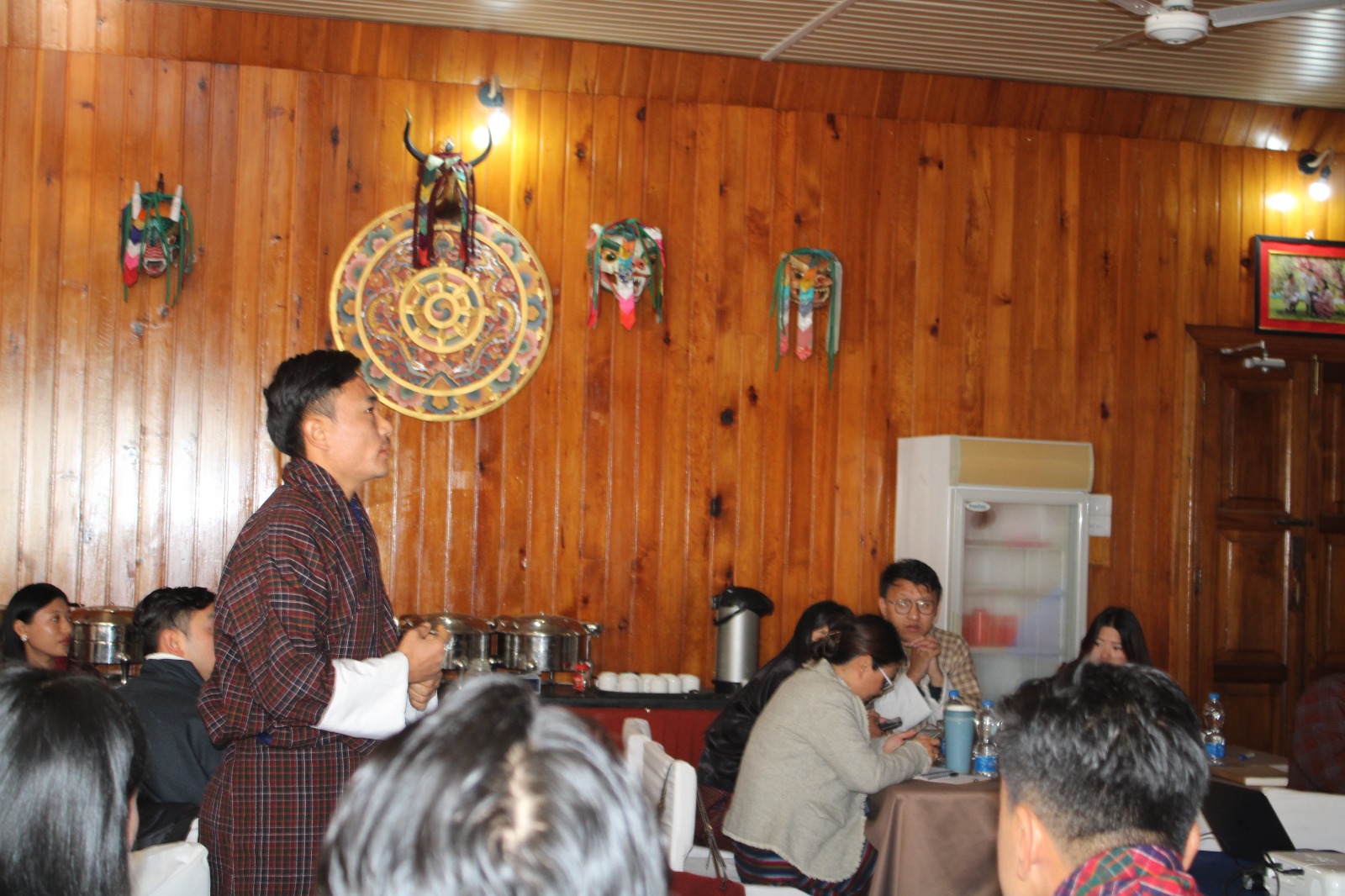
While Bhutan is internationally recognised for its environmental conservation record and its status as a carbon-negative country, the JAB official said such narratives, though powerful, can sometimes mask growing complexities. Rising temperatures, changing rainfall patterns, glacier-related risks, biodiversity loss, and increasing pressure on climate-sensitive sectors such as hydropower, agriculture, tourism, and forestry are no longer distant concerns.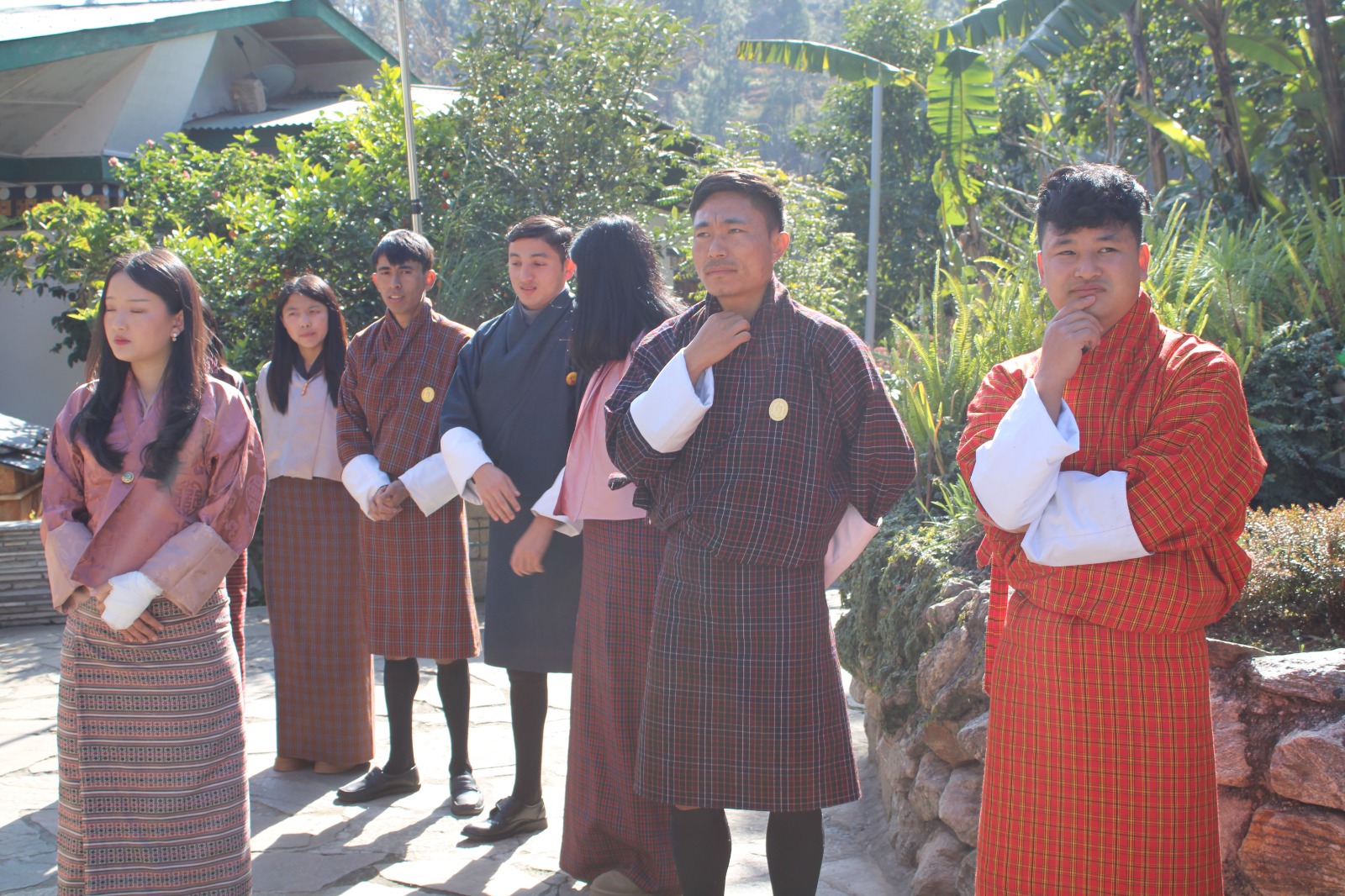
“In a country defined by fragile mountain ecosystems and deep connections between people and nature, climate change is not an abstract global issue,” the official said. “It is local, immediate, and deeply human.” The programme brings together resource persons from the National Center for Hydrology and Meteorology (NCHM), the Department of Environment and Climate Change (DECC), and the Department of Forests and Park Services (DoFPS), anchoring the training in science, policy, and field realities.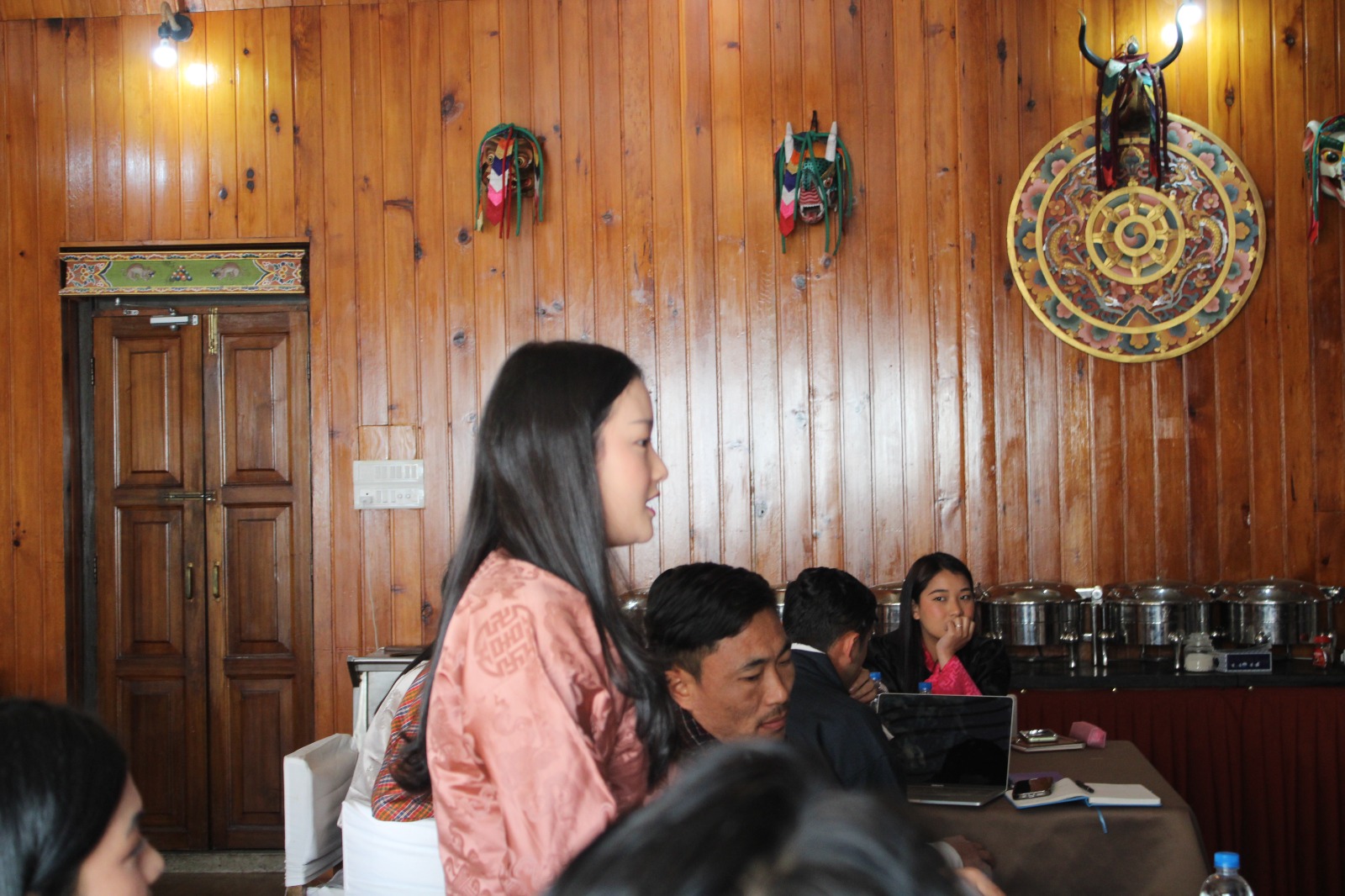
An official from DECC provided an overview of the global and national environmental and climate policy framework, tracing its evolution from the Industrial Revolution through landmark international agreements such as the Stockholm Conference, the Rio Earth Summit, and the adoption of the UN Framework Convention on Climate Change and the Convention on Biological Diversity.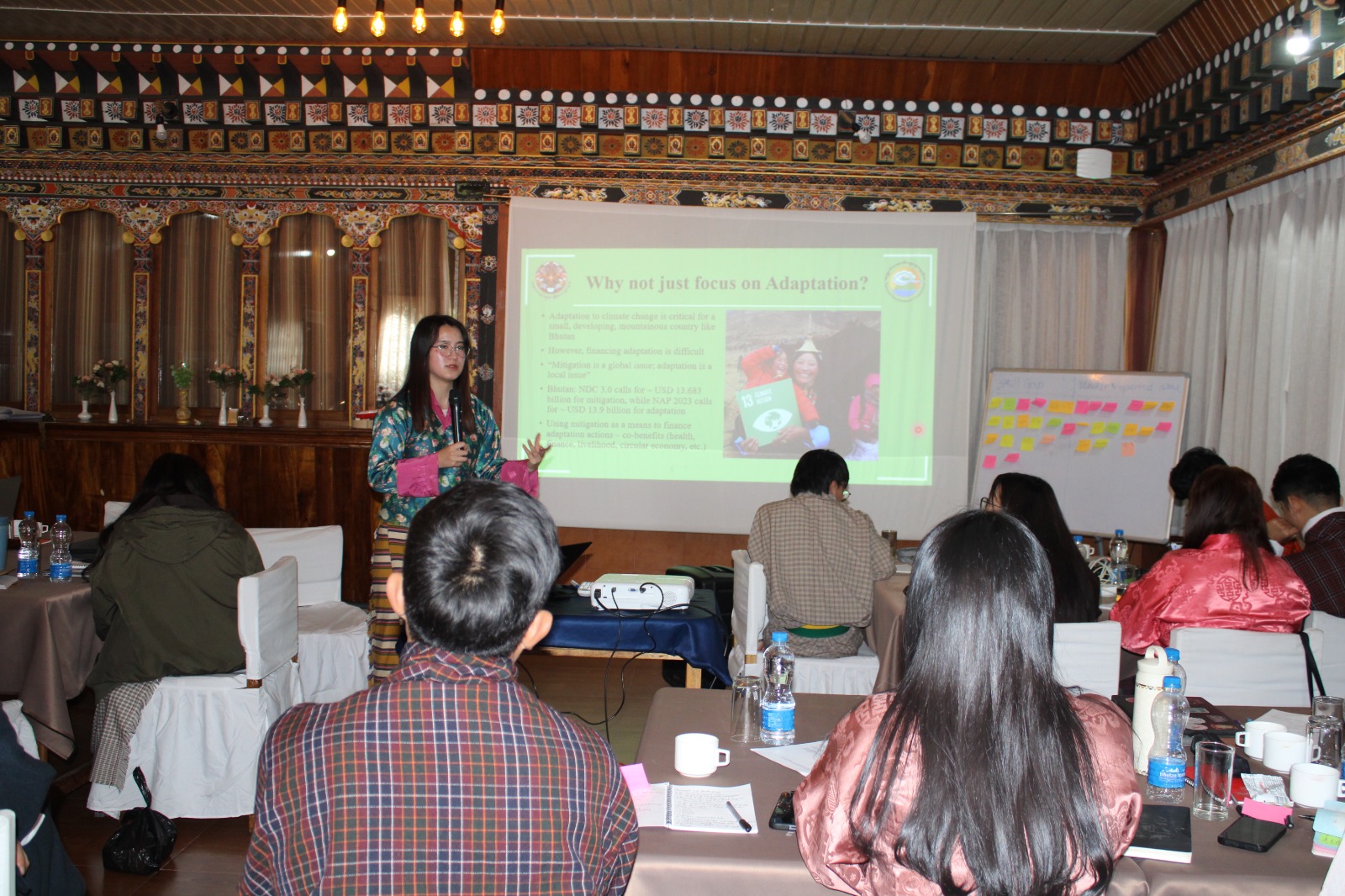
The session also highlighted Bhutan’s environmental legislation, including the National Environment Protection Act 2007, the National Environment Strategy 2020, and Bhutan’s commitment to remain carbon neutral under the Paris Agreement. The official noted that while Bhutan remains carbon negative due to its extensive forest cover, maintaining carbon neutrality amid economic growth poses growing challenges, requiring careful policy choices, climate finance, and public accountability.
An NCHM official briefed participants on observed and projected climate trends in Bhutan, including rising temperatures, changing rainfall patterns, glacial lake outburst flood risks, and the importance of early warning systems. The session emphasised the need for journalists to understand climate data and uncertainty in order to report responsibly and accurately. On the second day, officials from the Bhutan Trust Fund for Environmental Conservation will discuss climate finance, while experts from the Department of Forests and Park Services will introduce tools and methods for climate change reporting. Two moderators will also guide participants through long-form narrative techniques, human-interest storytelling, and the development of strong and feasible reporting pitches.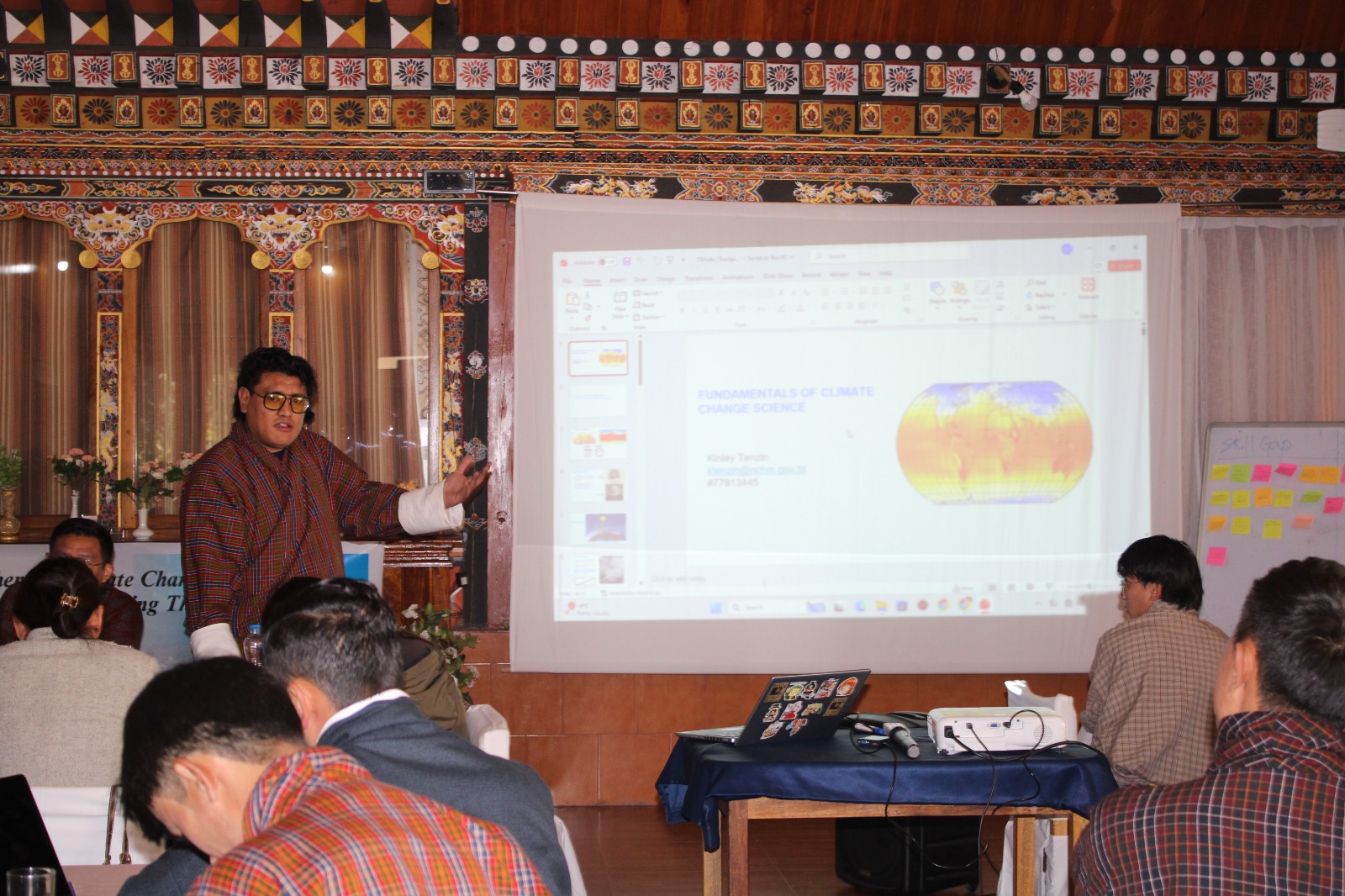
The JAB official said the training is designed to be interactive rather than lecture-based, encouraging journalists to reflect on gaps in coverage, missing voices, and areas where they feel least confident. “These are not questions meant to criticise journalists, but to help us grow as a community of practice,” the official said.
Participants were encouraged to question, challenge, and experiment, and resource persons were thanked for engaging with journalists as partners in public accountability rather than as mere messengers. By the end of the training, organisers hope participants will leave with sharper questions, stronger story ideas, and the confidence to pursue complex climate and environmental stories with depth, accuracy, and ethical sensitivity.


