By Raju Lama
At a time when the world stands on the edge of deeper conflict, the responsibility of leadership is not to escalate war—but to prevent it. The ongoing tensions between the United States and Iran are not just a bilateral issue; they are a global risk affecting peace, stability, and economic security.
Recent developments show a dangerous contradiction: while diplomatic talks continue, military pressure is simultaneously increasing. Negotiations have shifted toward temporary arrangements to avoid full-scale war, yet mistrust and aggressive posturing remain high.
War Is Not a Solution—It Is a Multiplier of Crisis
A war between the U.S. and Iran would not be contained. It would:
– Disrupt global oil supplies and damage the world economy
-Expand instability across the Middle East
– Endanger civilians far beyond the battlefield
History has repeatedly shown that military victories do not guarantee political peace. Instead, they often create long-term instability, resentment, and humanitarian suffering.
Leadership Requires Restraint, Not Rhetoric
Strong leadership is not measured by threats or displays of force—but by the ability to prevent conflict. Escalatory actions, such as naval blockades or threats of force, increase the risk of miscalculation and unintended war.
Even within the United States, there is growing concern about prolonged conflict and the need to limit war powers—showing that the call for restraint is not only international but domestic.
Diplomacy Is the Only Sustainable Path
The current negotiations—though fragile—prove one essential truth: dialogue is still possible. Iran has signaled – willingness for continued talks, and the U.S. has engaged in indirect negotiations to de-escalate tensions. This is the path that must be strengthened, not undermined.
A Call for Peace-Centered Leadership
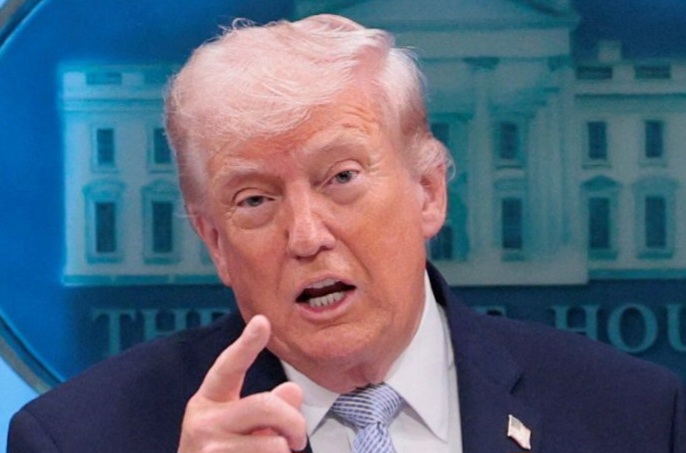
President Donald Trump has a historic choice:
– To be remembered as a leader who escalated conflict
– Or as one who prevented a catastrophic war
– The world does not need another prolonged conflict. It needs statesmanship, patience, and vision.
Conclusion
In today’s interconnected world, war is no longer a local event—it is a global shockwave. A true leader must rise above confrontation and choose diplomacy over destruction. #Writer is Editor of Times Asian and International President of SAARC Journalist Forum


