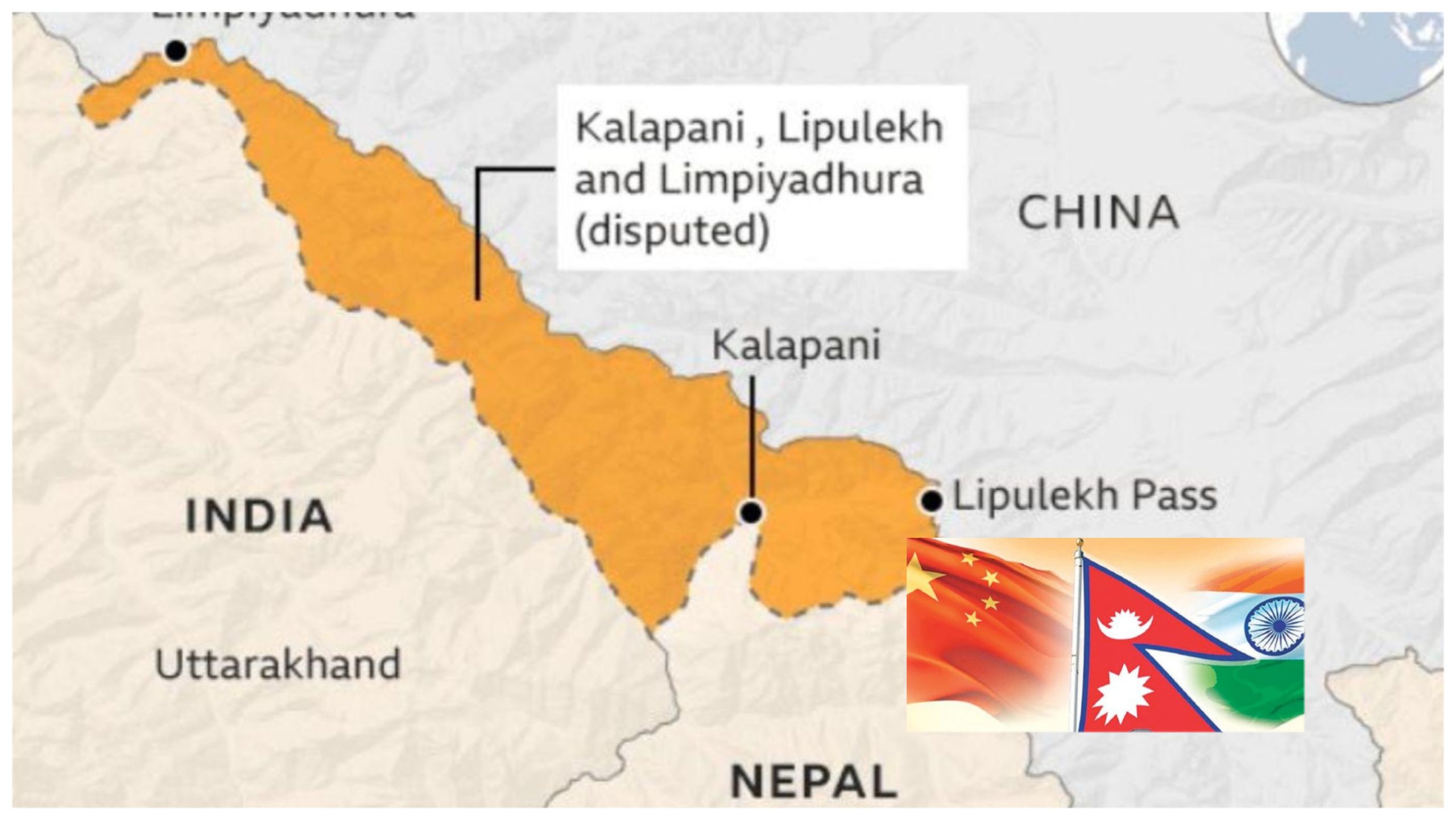
Kathmandu, August 4, 2026 — India and China have resumed cross-border trade through the strategically significant Lipulekh Pass after a suspension of nearly six years, marking a new step in improving bilateral economic ties. The reopening of the Himalayan trade route is expected to facilitate the movement of traditional goods and strengthen commercial exchanges between the two neighboring countries.
However, the development has once again triggered strong objections from Nepal, which maintains that the Lipulekh, Kalapani, and Limpiyadhura areas are integral parts of its sovereign territory. Kathmandu has reiterated that any bilateral activity involving the disputed region should not proceed without Nepal’s consent.
Nepal’s Ministry of Foreign Affairs has consistently stated that the territorial dispute should be resolved through diplomatic dialogue based on historical documents, including the 1816 Sugauli Treaty. The government has urged both India and China to respect Nepal’s territorial integrity and avoid actions that could affect its sovereign claims.
India, on the other hand, considers Lipulekh to be part of Uttarakhand and has described the reopening of the trade route as a revival of traditional border commerce. The trade corridor had remained closed since the COVID-19 pandemic and subsequent geopolitical disruptions. China has also supported the resumption of trade as part of efforts to normalize cross-border economic exchanges.
The Lipulekh issue has remained a sensitive point in India-Nepal relations for years. While Nepal insists the area belongs to its Darchula district, India maintains administrative control over the region. The differing claims have periodically strained diplomatic ties, particularly after India and China agreed in 2015 to expand trade through the pass.
Analysts say the latest resumption of trade underscores the need for sustained diplomatic engagement among the three countries to address outstanding border issues while preserving regional peace, stability, and economic cooperation in the Himalayas. – By Raju Lama


