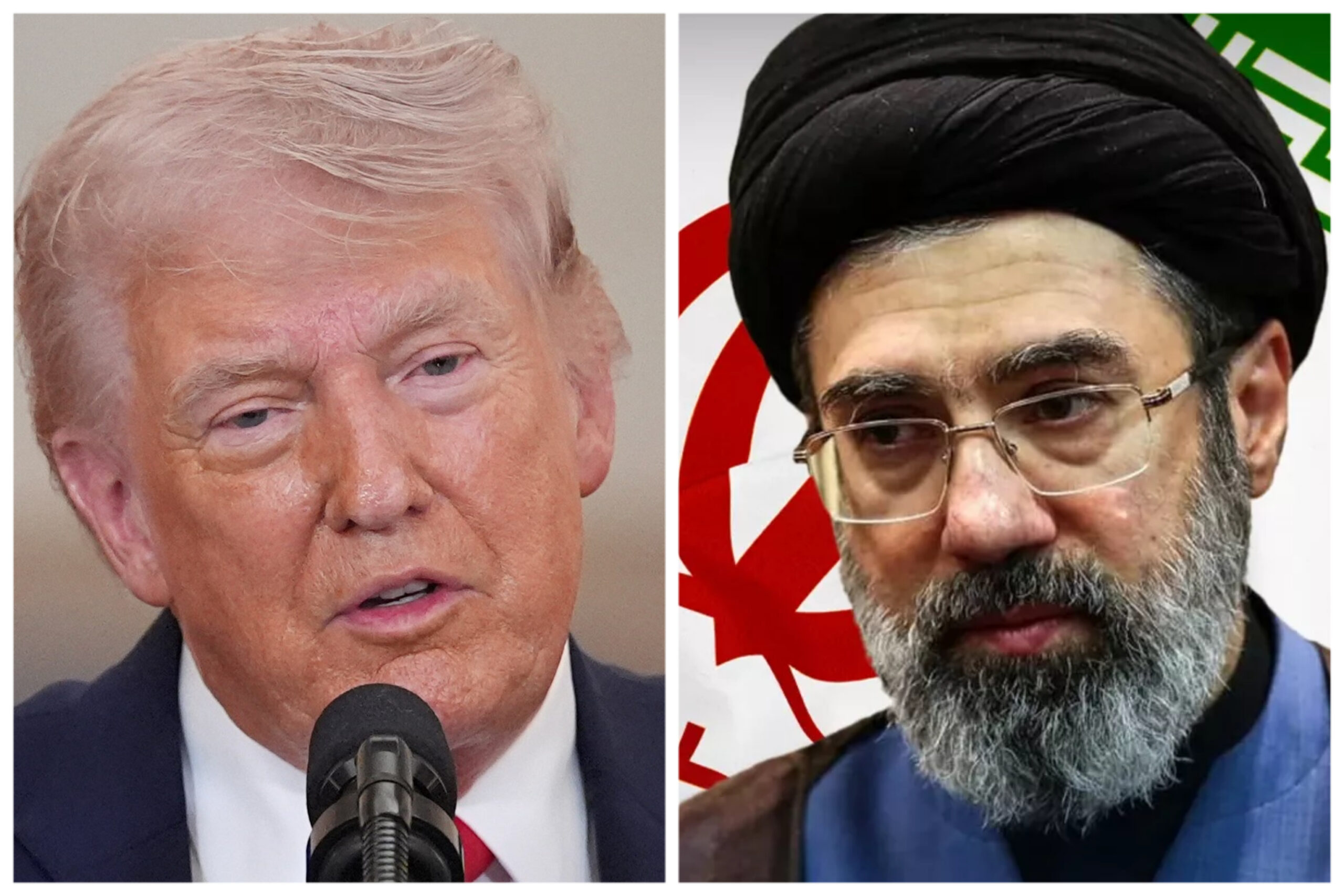
Washingtion. President Trump is once again showing strong leadership as the United States and Iran discuss a potential 45-day ceasefire that could pave the way to permanently ending their conflict.
According to Axios, the talks center on Iran reopening the vital Strait of Hormuz in exchange for a truce. This comes after weeks of decisive U.S. military strikes that have battered Iran’s capabilities and disrupted its aggression across the region.
Trump has made clear he won’t accept weakness: any deal must protect American interests, keep global oil flowing freely, and prevent Iran from rebuilding its nuclear and missile threats. Past short-term proposals, like a 48-hour pause, faced Iranian rejection and mixed signals, but sustained pressure from the Trump administration appears to be shifting the dynamic.
Skeptics on both sides doubt a quick breakthrough, given Iran’s history of delay tactics, proxy warfare, and broken promises. Yet Trump’s no-nonsense approach—max pressure followed by realistic diplomacy—has put Tehran on the defensive and opened a narrow window for real concessions.
If Iran complies and opens the strait, it could mark a major win: stabilized energy markets, weakened terror sponsors, and proof that strength, not endless negotiation, brings results. Anything less, and the strikes continue until America’s objectives are fully met.


