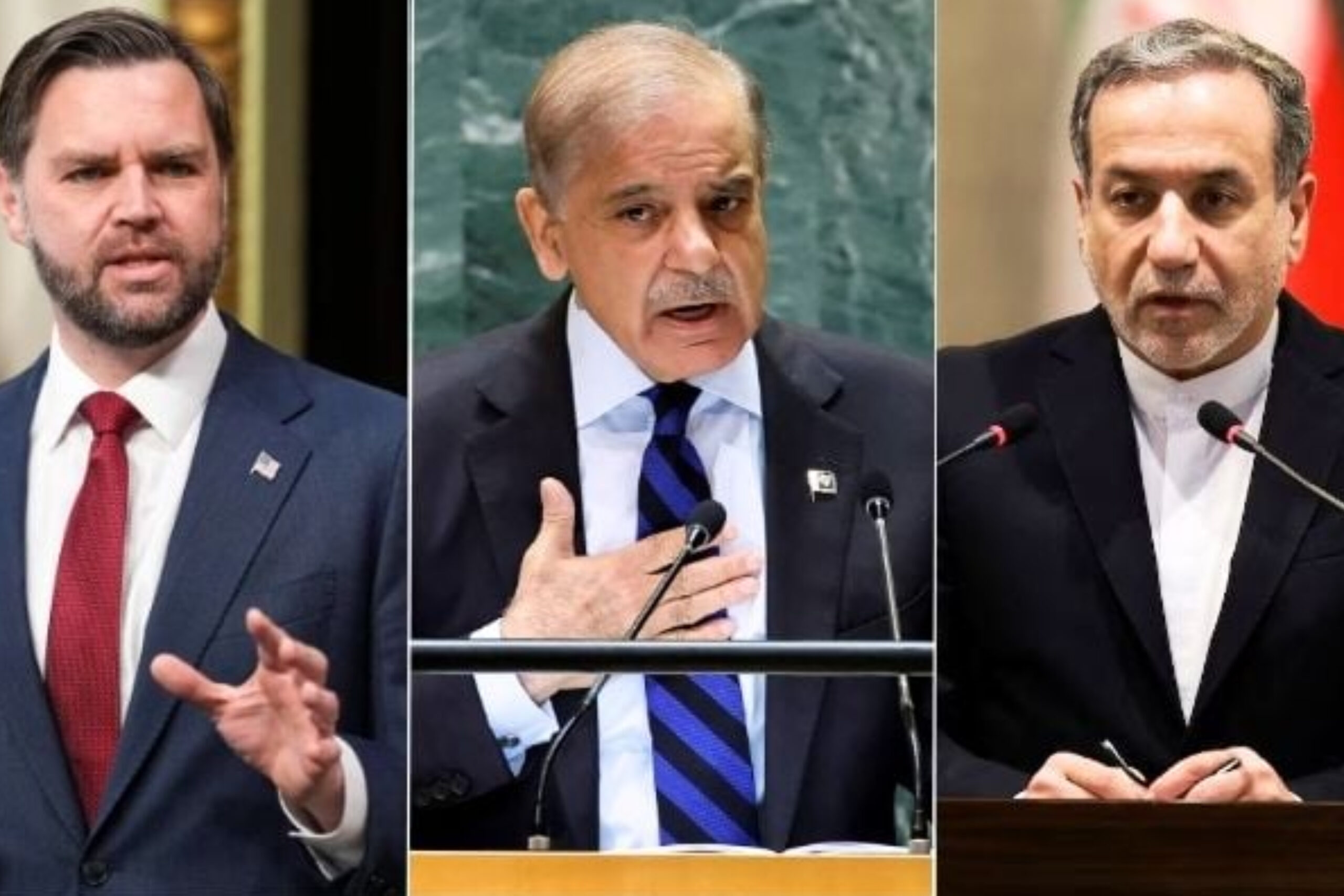
By Raju Lama Islamabad. High-level peace negotiations between the United States and Iran concluded in Islamabad, Pakistan, after marathon discussions lasting more than 20 hours, but ended without a final agreement.
The talks, hosted at a high-security venue in Islamabad and mediated by Pakistan, marked the first direct face-to-face diplomatic engagement between the two nations since 1979, according to officials and diplomatic sources.
The U.S. delegation, led by Vice President JD Vance, and the Iranian delegation, headed by Foreign Minister Abbas Araghchi and parliamentary leaders, engaged in intensive discussions focused on ending ongoing regional hostilities, securing maritime routes through the Strait of Hormuz, and stabilizing a fragile ceasefire in the Middle East.
However, deep disagreements emerged over key issues, including Iran’s nuclear program, sanctions relief, regional security guarantees, and demands related to war reparations.
By early Sunday, both sides confirmed that no breakthrough had been reached, with each side blaming the other for introducing “unrealistic demands” during the final stages of negotiation.
A senior U.S. official described the American proposal as a “final and best offer,” while Iranian representatives accused Washington of refusing to compromise.
Despite the failure to reach a deal, diplomats noted that the talks were “constructive at points” and left the possibility open for future rounds of negotiations.
The Pakistani government, which played a central mediating role, has not ruled out further diplomatic efforts to revive dialogue between the two sides.
The outcome leaves the region’s fragile ceasefire under pressure, with global observers warning that tensions could rise again if diplomatic channels remain stalled.


