By Raju Lama
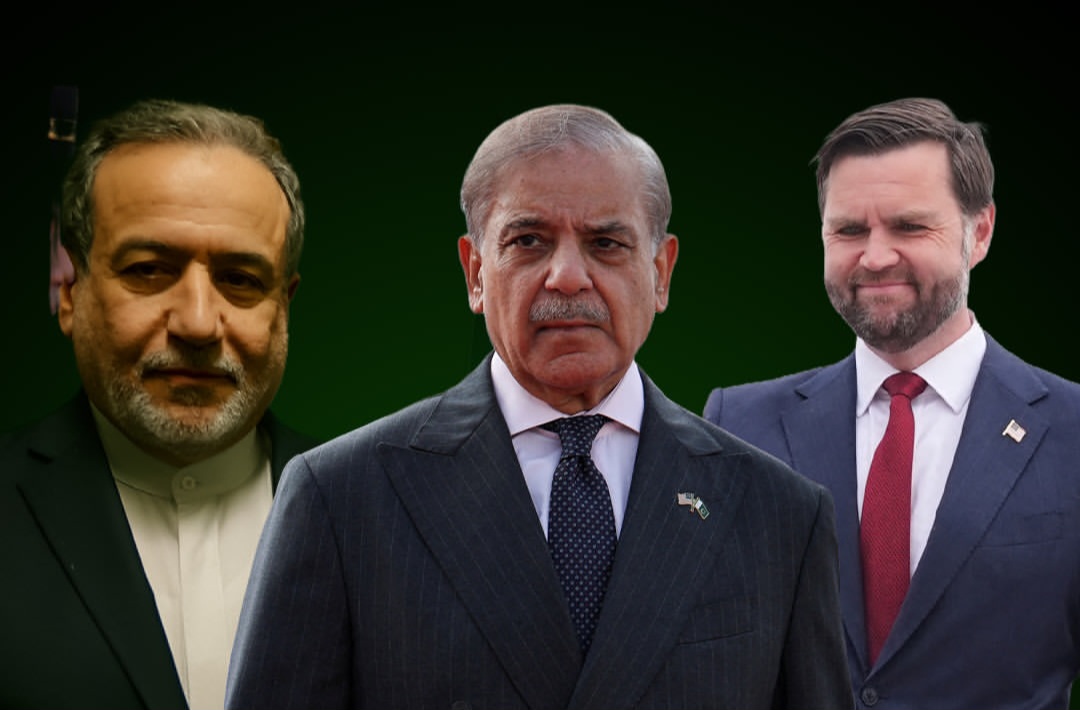
Diplomatic efforts aimed at easing long-standing tensions in the Middle East have intensified following recent high-level discussions reportedly held between the United States and Iran in Islamabad, with mediation efforts involving regional stakeholders.
According to diplomatic sources and media reports, the talks in Islamabad marked a rare direct engagement between U.S. and Iranian representatives, focusing on reducing regional tensions and exploring pathways toward broader stability. While no final agreement has been announced, the discussions are being viewed as an important step in continuing fragile diplomatic channels.
Focus of the Islamabad Dialogue
The reported discussions centered on key regional and security concerns, including:
– De-escalation of ongoing regional conflicts
– Iran’s nuclear-related concerns and verification mechanisms
– Sanctions relief and economic considerations
– Maritime security and energy routes in the region
– Broader regional stability and conflict prevention
Officials familiar with the process indicated that while differences remain significant, both sides acknowledged the importance of continued engagement to avoid further escalation.
No Breakthrough, But Diplomatic Momentum Continues
Although the Islamabad talks did not produce a formal breakthrough, analysts say the meeting reflects a cautious willingness by both sides to return to dialogue after years of strained relations. Observers note that even limited engagement is seen as significant in a region where direct communication has often been minimal.
Pakistan’s Mediation Role
Pakistan’s role as a host for the discussions has drawn attention, with Islamabad increasingly seen as a potential neutral venue for sensitive diplomatic exchanges. The talks underscore growing regional efforts to facilitate dialogue rather than confrontation.
Broader Regional Peace Efforts
The developments come amid renewed international focus on stability in the Middle East. The United Nations and other global actors continue to urge restraint, dialogue, and negotiated solutions to prevent further escalation across the region.
Outlook
Despite ongoing challenges, diplomatic engagement is gradually re-emerging as a key tool in managing regional tensions. Analysts caution that the path to peace remains complex and uncertain, but stress that continued dialogue—such as the Islamabad discussions—represents a necessary step toward long-term stability in the Middle East.
#writer is Editor of Times Asian and International President of SAARC Journalist Forum


