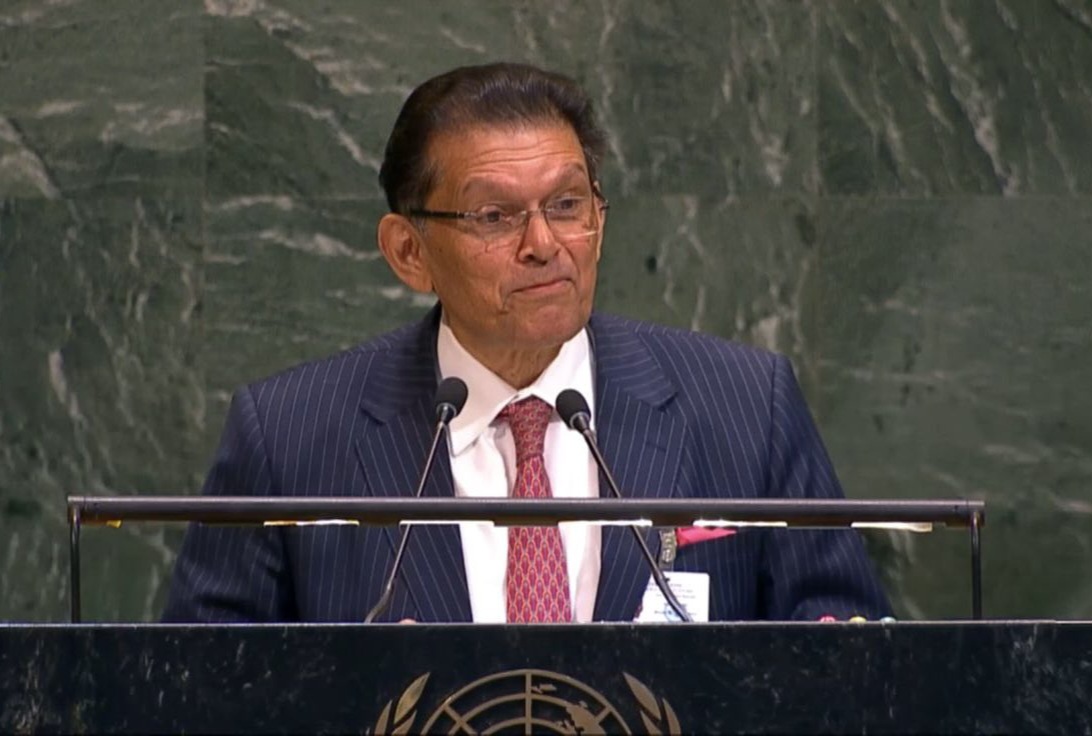
New York, June 2, 2026 – In a historic diplomatic triumph for Bangladesh, the nation has been elected to chair the Presidency of the 81st session of the United Nations General Assembly (UNGA). The high-stakes election, held on June 2, 2026, at the UN Headquarters in New York, saw Bangladesh’s Foreign Minister, Dr. Khalilur Rahman, securing the prestigious seat.
The victory marks the second time in history that Bangladesh will steer the world’s chief deliberative and policy-making body, following the iconic presidency of Humayun Rashid Choudhury during the 41st session in 1986.
A Reflection of Global Trust
The election process, which concluded following a contested vote between Bangladesh and Cyprus representing the Asia-Pacific Group, drew intense attention from international observers.
Diplomatic experts and state officials have hailed the win as a clear manifestation of the international community’s deep-rooted trust, confidence, and respect toward Bangladesh’s proactive role in global governance, multilateralism, and peace diplomacy.
“This milestone victory is a sheer reflection of the confidence the world places in Bangladesh’s leadership,” remarked a senior diplomatic correspondent following the announcement. “Standing at a historic crossroads of global affairs, Bangladesh is now positioned to lead the 193-member General Assembly toward constructive dialogues on climate justice, sustainable development, and regional peace.
“Commitment to “A Presidency for Everyone”
During the interactive dialogues leading up to the election, Foreign Minister Dr. Khalilur Rahman—a veteran diplomat with over three decades of extensive experience within the UN system—pledged to serve as a “full-time President” dedicated to restoring trust in multilateralism.
In his official vision statement, Dr. Rahman outlined key priorities for the upcoming 81st session, emphasizing:
Inclusive Multilateralism: Amplifying the voices of small delegations and developing nations.
Conflict Resolution & Peace: Upholding the core values of the UN Charter amidst growing geopolitical polarization.
Humanitarian Advocacy: Drawing global attention to protracted humanitarian crises, including the rehabilitation and rights of the 1.3 million forcibly displaced Rohingyas currently sheltered by Bangladesh.
Looking Ahead
Dr. Rahman will succeed the current General Assembly President and former German Foreign Minister, Annalena Baerbock, when the 81st session officially commences in New York this September. The tenure comes at a critical juncture as the General Assembly prepares to oversee major institutional reforms and begin the formal process of selecting the next UN Secretary-General. – Report by MD Abdur Rahman Dhaka


