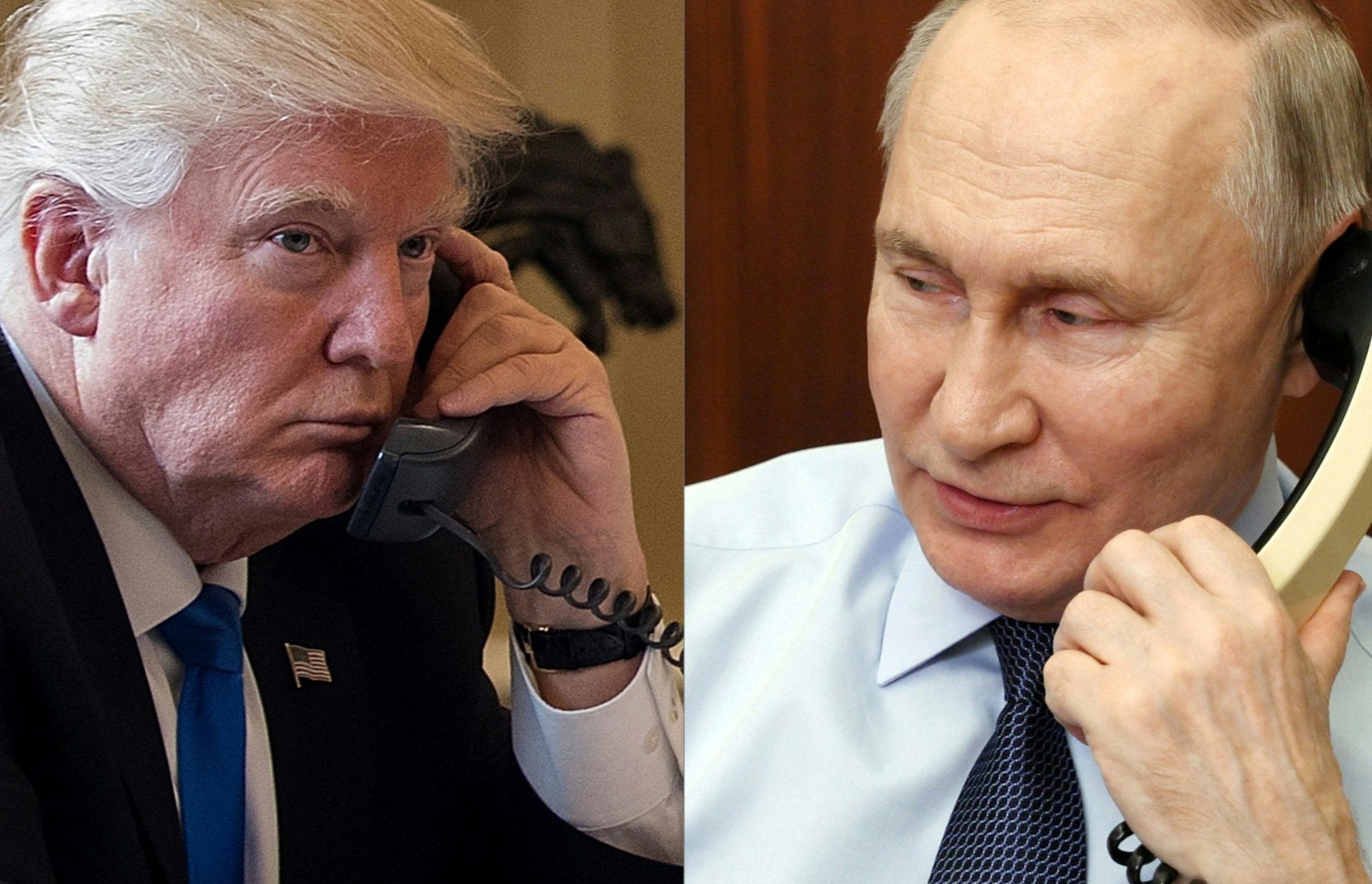
WASHINGTON/MOSCOW, September 9, 2026 — U.S. President Donald Trump and Russian President Vladimir Putin held an hour-long telephone conversation Tuesday as Washington intensifies diplomatic efforts to end the Russia-Ukraine war, with both sides signaling a renewed interest in negotiations and the restoration of U.S.-Russia relations.
The call followed a weekend diplomatic mission by Trump’s special envoys Steve Witkoff and Jared Kushner, who traveled to Moscow and Kyiv for discussions aimed at reviving stalled peace efforts.
According to Kremlin foreign-policy adviser Yuri Ushakov, the conversation was “constructive and frank.” Putin briefed Trump on Moscow’s assessment of the battlefield and outlined what Russia believes the United States could do to accelerate an end to the conflict.
Trump seeks rapid end to war
The Kremlin said Trump emphasized his desire for a swift conclusion to the Ukraine conflict. According to the Russian account, Trump believes an end to the war could open the way for a broad restoration of U.S.-Russia relations, including major opportunities for trade and economic cooperation.
Trump has also expressed interest in achieving a diplomatic breakthrough during his presidency. Putin reportedly supported the general objective of bringing the conflict to an end. However, no final peace agreement or breakthrough was announced following the call.
Putin rejects accusations of plans against Europe
A significant element of the conversation was Russia’s relationship with Europe.
Putin reportedly assured Trump that Moscow has no aggressive plans toward European countries. The Kremlin has rejected European allegations that Russia is preparing or conducting broader hostile operations against European states, arguing that concerns about a Russian threat are being used to justify increased military spending and continued support for Ukraine.
The issue comes amid heightened tensions between Russia and European governments over alleged sabotage and other hybrid activities.
Confidential details remain undisclosed
The Kremlin has provided only a limited account of the conversation. Ushakov stressed that the discussion was confidential and declined to disclose important details and nuances.
This leaves open questions about whether Trump and Putin discussed specific territorial compromises, sanctions relief, security guarantees for Ukraine, NATO, or a possible framework for a future settlement.
Those issues remain among the most difficult obstacles to a peace agreement. Russia has continued to demand major concessions from Ukraine, including territorial issues in eastern Ukraine, while Kyiv has rejected surrendering territory. The two sides therefore remain far apart despite renewed American diplomatic engagement.
Prisoner exchanges and continued dialogue
The two leaders also agreed on the importance of continuing humanitarian efforts, including prisoner exchanges, and maintaining direct communication.
The latest call represents another attempt by Trump to use direct presidential diplomacy with Putin to break the deadlock surrounding the Ukraine war.
For now, however, the immediate outcome appears to be continued negotiations rather than a peace agreement.
The next phase of diplomacy could depend heavily on whether Washington can bridge the gap between Moscow’s territorial demands and Kyiv’s insistence on sovereignty and security guarantees.
Times Asian Analysis:
The most significant development is not an announced agreement but the reopening of direct high-level U.S.-Russia diplomacy. Trump’s emphasis on ending the war in exchange for improved U.S.-Russia economic relations suggests that Washington may be exploring a broader post-war relationship with Moscow. But until the parties reveal their positions on territory, sanctions, security guarantees and Ukraine’s future relationship with NATO, claims of an imminent peace deal remain premature.


