By Raju Lama
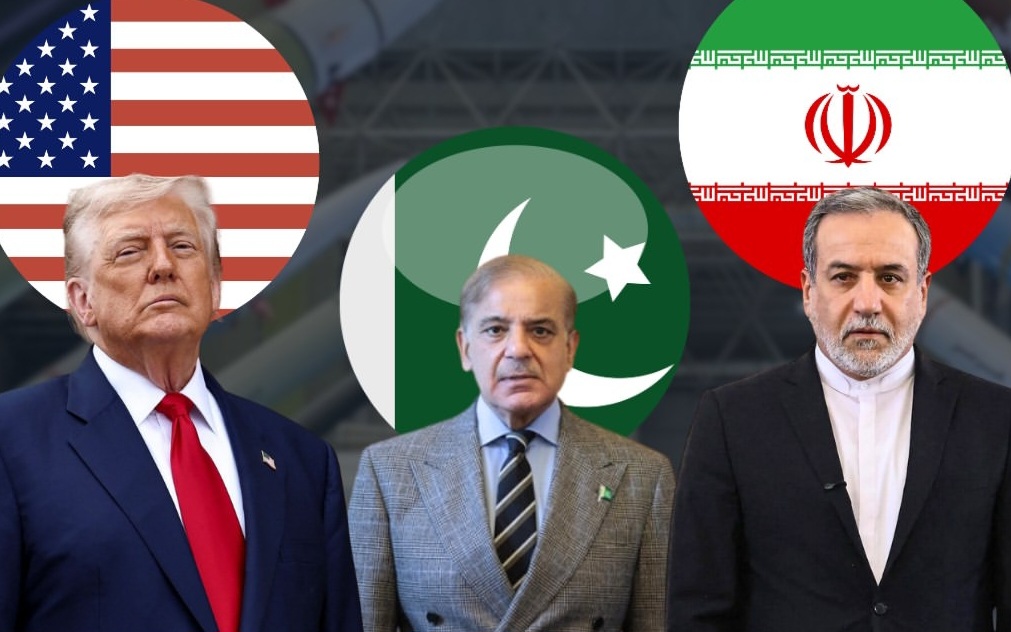
The recent ceasefire between Iran and the United States marks a critical turning point in the geopolitics of West Asia. After weeks of intense military confrontation that brought the region to the brink of a wider war, this temporary truce offers not just a pause in violence, but a window of opportunity for diplomacy, stability, and long-term transformation.
A Step Back from the Brink
The conflict had escalated rapidly, involving missile strikes, disruptions in the Strait of Hormuz, and risks of regional spillover. The ceasefire—brokered with international mediation—has halted hostilities for now and reopened vital global trade routes.
This immediate de-escalation has reduced fears of a broader war that could have engulfed multiple countries and destabilized global energy markets.
Hope for Diplomatic Engagement
More importantly, the ceasefire has shifted the focus from military confrontation to negotiation. Talks scheduled in Islamabad signal a renewed willingness from both sides to engage diplomatically rather than through force.
Global leaders and institutions have welcomed this move, emphasizing that dialogue is the only sustainable path toward peace.This moment reflects a broader lesson: even long-standing adversaries can find common ground when the cost of conflict becomes too high.
Implications for Progressive West Asia
A stable relationship between Iran and the United States could reshape West Asia in several transformative ways:
Economic Revival: Reduced tensions can encourage trade, investment, and reconstruction across the region.
Energy Security: Stability in the Strait of Hormuz ensures uninterrupted global oil supply, benefiting both regional and global economies.
Regional Cooperation: Gulf nations and neighboring states may pursue more cooperative security frameworks instead of militarized alignments.
Human Security: Most importantly, it reduces civilian suffering and displacement caused by prolonged conflict.
A Fragile but Significant Achievement
Despite its promise, the ceasefire remains fragile. Reports indicate disagreements over its terms and accusations of violations, particularly involving proxy conflicts in places like Lebanon.
Moreover, fundamental issues—such as nuclear policy, sanctions, and regional influence—remain unresolved. This raises a crucial question: is this ceasefire a genuine step toward lasting peace, or merely a temporary pause before renewed confrontation?
Conclusion: Opportunity Must Become Commitment
The Iran–US ceasefire is not yet a final peace agreement, but it is undeniably a milestone. It demonstrates that even in one of the world’s most volatile regions, diplomacy can prevail over destruction. For West Asia to truly become progressive and peaceful, this ceasefire must evolve into sustained dialogue, mutual trust, and inclusive regional cooperation. The responsibility now lies not only with Tehran and Washington, but with the entire international community to ensure that this fragile hope is not lost.
# writer is Editor of Times Asian and International President of SAARC Journalist Forum


