By Raju Lama
International President, SAARC Journalist Forum
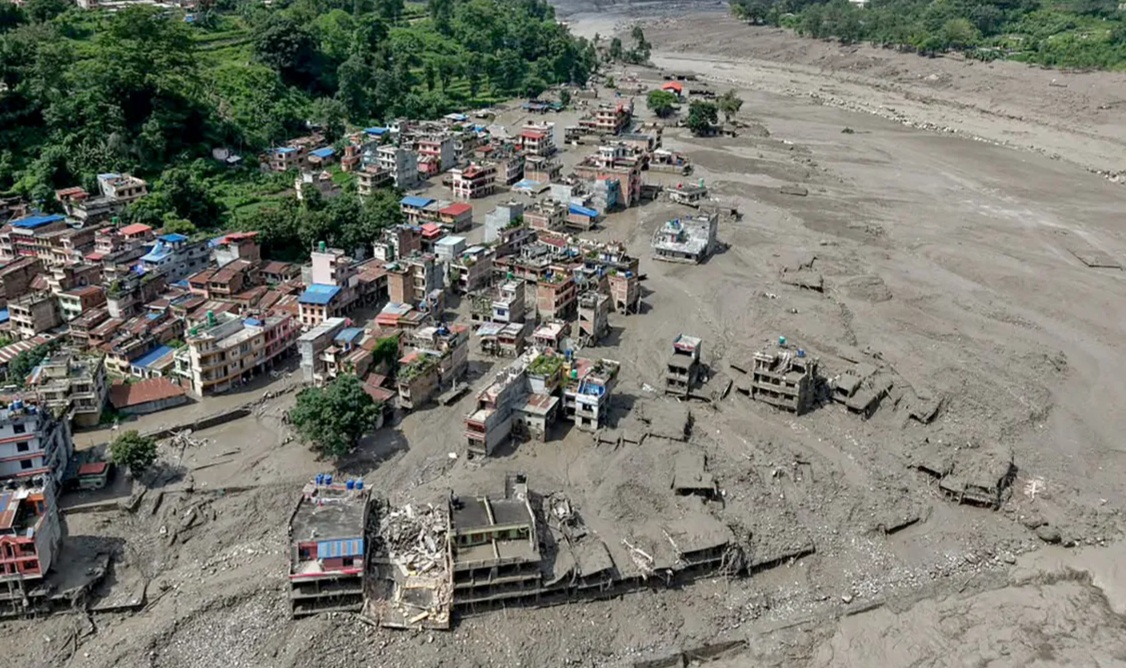
Nepal is facing one of the most devastating natural disasters in recent memory. The catastrophic flash floods that struck northern Nepal on August 26 have caused enormous loss of life, destroyed homes and infrastructure, disrupted communities and left hundreds of families searching desperately for their loved ones. Rasuwa and Nuwakot have been among the worst-affected areas, while the disaster has also threatened communities along the Bhote Koshi and Trishuli river systems.
The scale of this tragedy is still unfolding. Reports indicate that hundreds of people have died and more than a thousand remain missing across Nepal and the adjoining Tibet region. The disaster has also affected foreign nationals, pilgrims, tourists and workers from numerous countries.
This is not simply a disaster for Nepal. It is a humanitarian tragedy that demands the attention, solidarity and cooperation of the international community.
A Himalayan Disaster with Global Implications
The recent flooding demonstrates the growing vulnerability of the Himalayan region. Reports indicate that an ice-and-rock avalanche or glacial collapse contributed to the catastrophic surge of water and debris. Scientists and experts have increasingly warned that rising temperatures and changing conditions in the Himalayas can contribute to greater instability of glaciers and mountain slopes.
Nepal is a country located between two of the world’s most populous nations and possesses some of the world’s most fragile mountain ecosystems. Yet the consequences of environmental changes in the Himalayas do not stop at national borders.
The Himalayas are the source of major river systems that sustain millions of people across South Asia. What happens in the mountains can affect communities far downstream. Therefore, climate resilience, disaster preparedness and Himalayan environmental protection should be treated as regional and global priorities.
International Solidarity Is Urgently Needed
At this moment, Nepal needs more than expressions of sympathy. It needs practical international solidarity.
The immediate priority must be search and rescue. Nepal’s security forces, emergency responders, local authorities and volunteers are working under extremely difficult circumstances. Damaged roads, bridges and communications infrastructure are making access to affected communities particularly challenging.
The international community should provide:
• Search-and-rescue equipment and specialized technical teams;
• Emergency medical supplies, medicines and mobile health facilities;
• Helicopters, drones and satellite technology for locating missing people;
• Emergency food, clean drinking water, sanitation and temporary shelters;
• Psychological and humanitarian support for survivors and families;
• Assistance to restore roads, bridges, electricity and communications;
• Financial support for immediate relief and long-term reconstruction.
International assistance should be coordinated closely with the Government of Nepal, local authorities, humanitarian agencies and organizations working on the ground so that assistance reaches the people who need it most.
The United States has already pledged emergency assistance, while international humanitarian organizations are mobilizing support. Such solidarity is welcome, but given the magnitude of the disaster, much more coordinated assistance will be necessary.
South Asia Must Stand Together
As International President of the SAARC Journalist Forum, I believe this tragedy should also remind South Asia of the importance of regional cooperation.
Disasters do not recognize political boundaries. Rivers cross borders, glaciers are connected ecosystems, and extreme weather affects communities throughout the region. South Asian countries should strengthen mechanisms for sharing early-warning information, satellite data, hydrological information, disaster-response expertise and emergency resources.
The SAARC framework has enormous potential to facilitate cooperation in disaster management, climate resilience and humanitarian response. A stronger regional disaster-response mechanism could save lives when future emergencies occur.
Nepal’s tragedy should therefore become an opportunity to renew the spirit of regional solidarity.
Climate Justice for Vulnerable Countries
Nepal has contributed very little to global greenhouse-gas emissions compared with major industrialized economies, yet it is among the countries facing severe consequences from climate change and environmental instability in the Himalayas.
This raises an important question of climate justice. Countries and communities that have contributed least to the climate crisis should not be left alone to bear the consequences. The international community must increase climate finance, adaptation support, technology transfer and scientific cooperation for vulnerable mountain nations.
Protecting the Himalayas is not only Nepal’s responsibility. It is a shared responsibility of the international community.
The Role of Journalists
As journalists, we also have an important responsibility during disasters. The media must report the truth, provide verified information and give a voice to affected communities. At the same time, journalists must avoid spreading unverified casualty figures, rumors and distressing misinformation that can create further panic among families.
Journalists working in disaster zones also need safety, protective equipment, communication facilities and access to reliable information. Their work is essential for connecting affected communities with authorities, humanitarian organizations and the international public.
The SAARC Journalist Forum stands in solidarity with all journalists reporting from the affected areas and calls for their safety and freedom to report responsibly.
Nepal Must Not Be Forgotten
International attention often declines after the first few days of a disaster. That must not happen in Nepal.
The immediate rescue phase will eventually give way to recovery and reconstruction. Thousands of families may need assistance to rebuild their homes, livelihoods and communities. Roads, bridges, schools, health facilities, communication networks and energy infrastructure will require substantial investment.
Nepal therefore needs a long-term international recovery and reconstruction partnership, not only short-term emergency relief.
A Call for Global Solidarity
I appeal to governments, the United Nations, international humanitarian organizations, development partners, international media organizations, journalists’ associations and people around the world to stand with Nepal at this difficult hour.
Let us help rescue those who can still be saved. Let us support families who have lost their loved ones. Let us provide shelter and dignity to survivors. And let us help Nepal rebuild stronger and safer communities.
The devastating floods in Nepal are a painful reminder that humanity shares one planet and one future. In the face of such tragedy, international solidarity is not merely an expression of goodwill—it is a moral responsibility.
On behalf of the SAARC Journalist Forum, I extend our deepest condolences to all families who have lost loved ones and express our solidarity with the people of Nepal and all communities affected by this catastrophic disaster. We urge the international community to act swiftly, generously and collectively.
Nepal needs the world’s solidarity today. The world must stand with Nepal.
— Raju Lama
International President
SAARC Journalist Forum


